
Gypsy, a Netflix thriller, premiered June 30, 2017, starring Naomi Watts as a psychologist with ethically blurred boundaries. This series explores complex relationships and psychological intrigue.
Gypsy, created by Lisa Rubin, features ten episodes, each approximately 52 minutes long, and is available on Netflix and Netflix Standard with Ads.
The show garnered attention for its complicated love stories and strong performances, becoming a favorite among drama enthusiasts, as of January 26, 2026.
What is a Histogram?
Gypsy, the 2017 Netflix psychological thriller, centers around Jean Holloway, portrayed by Naomi Watts, a therapist who crosses professional lines. A histogram, similarly, visually represents data distribution, grouping it into ranges or ‘bins’. Just as Gypsy delves into the complexities of human behavior, a histogram reveals patterns within a dataset.
It’s a graphical representation showing the frequency of data points falling within specified intervals. Unlike a bar chart, the bars in a histogram touch each other, indicating a continuous range of data. Gypsy’s narrative unfolds through interconnected relationships; a histogram connects data points through shared intervals. The series, created by Lisa Rubin, explores ambiguous connections, mirroring how a histogram displays data density.
Understanding histograms is crucial for data analysis, much like understanding Jean Holloway is key to unraveling Gypsy’s plot. Available on Netflix, Gypsy offers a compelling story, while histograms offer a compelling visual summary of data.
Why Use Histograms?
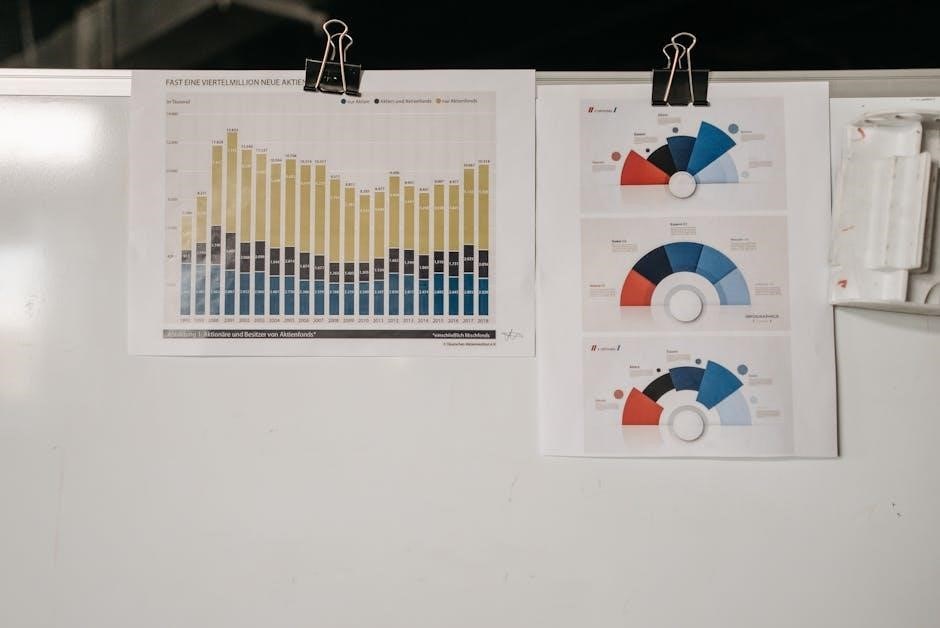
Gypsy, the Netflix series starring Naomi Watts, captivates viewers with its psychological depth; similarly, histograms offer profound insights into data. They reveal the underlying distribution of a dataset, highlighting central tendencies and potential outliers. Just as Gypsy explores complex character motivations, histograms expose data patterns.
Histograms are invaluable for identifying data skewness, assessing variability, and detecting unusual occurrences. Created by Lisa Rubin, Gypsy presents a narrative full of unexpected twists; histograms reveal unexpected data distributions. They aid in making informed decisions, much like understanding Jean Holloway’s actions is crucial to following the plot.
Available on Netflix and Netflix Standard with Ads, Gypsy provides entertainment and thought-provoking themes. Histograms provide data visualization and analytical power. They are essential tools for researchers, analysts, and anyone seeking to understand data effectively, mirroring the series’ exploration of human psychology.

Understanding Histogram Components
Gypsy, a psychological thriller on Netflix, features intricate character dynamics; similarly, histograms comprise key elements. Naomi Watts stars, revealing complex layers, just like data intervals.
Bins and Frequency
Gypsy, the Netflix series, delves into the complexities of human behavior, mirroring how histograms dissect data. Bins, in a histogram, represent intervals or ranges of values within a dataset; they are crucial for organizing information. Frequency indicates how many data points fall into each bin, providing a visual representation of data distribution.
Determining appropriate bin width is vital; too few bins obscure details, while too many create a noisy histogram. A Gypsy-like exploration reveals hidden patterns; Worksheets often present datasets and ask students to define bins, calculate frequencies, and construct the histogram. Answers typically involve correctly categorized data and accurately represented frequencies, showcasing understanding of these fundamental concepts. The series’ psychological depth parallels the detailed analysis histograms offer.
Data Ranges and Intervals
Gypsy, the psychological thriller, explores the range of human emotions, much like histograms examine data spread. The data range in a histogram is the difference between the highest and lowest values in a dataset, defining the overall scope. Intervals, or bin widths, divide this range into manageable segments for analysis.
Worksheets focusing on histograms often require students to identify the data range and select appropriate intervals. Correct answers demonstrate an understanding of how interval size impacts the histogram’s appearance and interpretability. A smaller interval reveals finer details, while a larger one provides a broader overview. Like unraveling the layers of Gypsy’s plot, defining these ranges is key to understanding the underlying data distribution. Accurate interval selection is crucial for effective data visualization.
The X and Y Axes
Gypsy, with its intricate character dynamics, mirrors the complexity of data representation in histograms. The x-axis in a histogram displays the data intervals or bins – the ranges into which data is grouped. These bins, like the unfolding secrets in the series, represent distinct categories or values. The y-axis, conversely, represents the frequency, or the number of data points falling within each interval.
Histogram worksheets frequently assess understanding of axis labeling and interpretation. Correct answers demonstrate the ability to accurately read and interpret the information presented. Just as understanding Gypsy’s characters requires careful observation, interpreting a histogram demands attention to the relationship between the x and y axes. Proper labeling ensures clarity and avoids misrepresentation of the data.

Creating a Histogram Worksheet

Gypsy, a psychological thriller, involves intricate planning, much like crafting a histogram worksheet. It requires careful data organization and thoughtful question design.
Step 1: Data Collection
Gypsy, the Netflix series, begins with gathering information – much like the first step in creating a histogram worksheet. This initial phase demands meticulous attention to detail, mirroring Jean Holloway’s careful observation of her patients’ lives.
For a histogram, you’ll need a dataset; this could be anything from test scores to heights or even the number of pets owned by classmates. Ensure the data is accurate and relevant to the concept you’re illustrating. The quality of your histogram hinges on the reliability of this initial data collection.
Consider the source of your data. Is it primary data, collected firsthand, or secondary data, obtained from existing sources? Regardless, verify its validity. Like the complex narratives in Gypsy, a strong foundation is crucial for a compelling outcome.
Step 2: Determining the Range
Similar to how Gypsy’s Jean Holloway navigates the expansive and often unpredictable lives of others, determining the range is a crucial step in histogram creation. The range represents the difference between the highest and lowest values in your dataset.
Calculating this provides a foundational understanding of the data’s spread. Identify the maximum value and the minimum value within your collected data. Subtract the minimum from the maximum – the result is your range. This range dictates the scale of your histogram and influences the subsequent bin width selection.
A wider range suggests a greater data dispersion, while a smaller range indicates closer clustering. Just as Gypsy explores the breadth of human behavior, understanding the range reveals the scope of your data.
Step 3: Defining Bin Width
Much like the intricate layers of deception in Gypsy, selecting the appropriate bin width is a delicate balancing act. Bin width represents the interval size for each bar in your histogram. It’s calculated by dividing the range (determined in the previous step) by the desired number of bins.
A smaller bin width provides a more detailed view of the data distribution, potentially revealing subtle patterns. Conversely, a larger bin width simplifies the histogram, highlighting broader trends. Consider the dataset’s size and characteristics when choosing the number of bins.
Too few bins can obscure important details, while too many can create a noisy and difficult-to-interpret histogram. As Gypsy’s plot unfolds, careful consideration of each element is vital; similarly, bin width impacts clarity.

Histogram Worksheet Examples with Answers
Gypsy, a psychological thriller on Netflix, showcases complex character interactions; similarly, these examples demonstrate histogram creation and interpretation with provided solutions.
Example 1: Simple Data Set
Gypsy, the Netflix series, features intricate psychological profiles; mirroring this, consider a simple data set: 2, 4, 4, 5, 5, 5, 6, 7, 8, 8. To create a histogram, first determine the range (8-2 = 6).
Next, define bins – for instance, with a width of 2: 2-4, 4-6, 6-8. The frequency for 2-4 is 2, for 4-6 is 3, and for 6-8 is 5.
Plot these frequencies against the bins. The x-axis represents the data intervals, and the y-axis represents the frequency. This visual representation clearly shows the distribution of the data, similar to how Gypsy reveals character complexities. The answer key confirms these calculations and the resulting histogram shape.
Example 2: Larger Data Set
Gypsy’s layered narrative parallels analyzing larger datasets. Consider: 12, 15, 18, 20, 22, 23, 25, 25, 27, 28, 30, 31, 32, 33, 35, 36, 38, 40, 42, 45. The range is 45-12 = 33.
With a bin width of 5, we get intervals: 10-15, 15-20, 20-25, 25-30, 30-35, 35-40, 40-45. Frequencies are: 1, 2, 4, 4, 3, 2, 4.
Constructing the histogram involves plotting these frequencies. The x-axis shows the intervals, the y-axis the counts; Like uncovering Jean Holloway’s secrets in Gypsy, the histogram reveals data patterns. A correct worksheet provides the calculated frequencies and the accurately plotted histogram, serving as a verification tool for understanding data distribution.
Example 3: Grouped Data
Gypsy’s complex character interactions mirror grouped data analysis. Suppose data is already categorized: 20-25 (frequency 5), 25-30 (frequency 8), 30-35 (frequency 12), 35-40 (frequency 7), 40-45 (frequency 3).
The histogram directly uses these intervals on the x-axis and frequencies on the y-axis. No further calculation of bin width is needed, simplifying the process. This resembles the pre-existing relationships Jean Holloway navigates in the series.
A worksheet for grouped data focuses on accurate plotting. Correct answers demonstrate understanding of how to represent pre-summarized data visually. Like deciphering the motives in Gypsy, a well-constructed histogram reveals underlying patterns within the grouped information, offering insights without raw data manipulation.

Interpreting Histograms
Gypsy, a psychological thriller, showcases complex character analysis; similarly, histograms reveal data distribution shape, central tendency, and spread, aiding interpretation.
Shape of the Distribution (Symmetric, Skewed)
Gypsy, the Netflix series, presents characters with internal conflicts, mirroring how data distributions can reveal underlying patterns. A symmetric distribution, like a balanced character arc, has equal spread on both sides of the center, indicating a normal distribution.
However, distributions can be skewed. A right skew (positive skew) extends longer on the right, suggesting a concentration of lower values, much like a character facing increasing challenges. Conversely, a left skew (negative skew) extends longer on the left, indicating a concentration of higher values.
Analyzing a histogram’s shape—whether symmetric, right-skewed, or left-skewed—provides crucial insights into the data’s nature, similar to understanding a character’s motivations and development throughout a series like Gypsy. Identifying these shapes is a key skill when completing a histogram worksheet, especially when answers are provided for comparison and learning.
Central Tendency (Mean, Median, Mode)
Just as Gypsy’s plot revolves around central characters and their relationships, statistical data has measures of central tendency: mean, median, and mode. The mean (average) represents the sum of all values divided by the number of values, a balanced point. The median is the middle value when data is ordered, unaffected by outliers – like a pivotal plot twist.
The mode is the most frequent value, representing the peak of the histogram, similar to a recurring theme in the series. Understanding these measures helps summarize data distribution.
A histogram worksheet often requires calculating these values, and checking answers provides valuable practice. Identifying these central tendencies is crucial for interpreting data, much like analyzing character motivations in Gypsy to understand the narrative’s core.
Spread of the Data (Range, Standard Deviation)
Similar to how Gypsy explores the widening consequences of Jean Holloway’s actions, data ‘spread’ describes its variability. The range, the difference between the highest and lowest values, provides a simple measure of this spread. However, it’s sensitive to outliers, much like a single impulsive decision impacting the entire series.
Standard deviation offers a more robust measure, quantifying the average distance of each data point from the mean. A larger standard deviation indicates greater dispersion, mirroring the escalating complexity of the show’s plot.
Histogram worksheets often involve calculating these measures, and verifying answers reinforces understanding. Analyzing spread helps assess data consistency, just as understanding character arcs reveals the show’s overall narrative structure.

Common Mistakes to Avoid
Gypsy’s Jean Holloway makes ethically questionable choices; similarly, histogram errors include incorrect bin widths, mislabeled axes, and careless data entry, impacting results.
Incorrect Bin Width
Gypsy, the Netflix series, demonstrates how subtle missteps can lead to significant consequences; similarly, choosing an inappropriate bin width drastically alters a histogram’s representation. Too narrow, and the distribution appears excessively jagged, obscuring underlying patterns – like a fragmented psychological profile. Too wide, and crucial details are smoothed over, potentially masking important trends, mirroring Holloway’s obscured motives.
A proper bin width balances detail and clarity. Consider the data’s range and sample size; larger datasets generally benefit from wider bins. Conversely, smaller datasets require narrower bins to reveal nuances. Incorrect bin widths can lead to misinterpretations, falsely suggesting multimodality or skewness. Always experiment with different bin widths to find the optimal visualization, ensuring the histogram accurately reflects the data’s true distribution, much like uncovering hidden truths.
Mislabeling Axes
Gypsy’s narrative hinges on deception and hidden identities; similarly, mislabeling histogram axes introduces a fundamental form of data distortion. The x-axis must clearly indicate the variable being measured, including appropriate units – a failure akin to misrepresenting a patient’s history. The y-axis, representing frequency, must also be explicitly labeled, clarifying whether it displays counts, relative frequencies, or densities.
Ambiguous or missing labels render the histogram incomprehensible, leading to incorrect conclusions. For instance, omitting units can drastically alter the interpretation of the data’s scale. Accurate labeling ensures clarity and prevents miscommunication, allowing viewers to accurately assess the distribution’s shape, center, and spread. Just as a therapist needs precise information, a histogram demands precise labeling for meaningful analysis.
Data Entry Errors
Gypsy’s plot revolves around a therapist’s intricate deceptions; similarly, inaccuracies in data entry can completely undermine a histogram’s validity. Even seemingly minor errors – a transposed digit, a misplaced decimal – can significantly skew the distribution, leading to flawed interpretations; Careful data verification is paramount, much like a therapist meticulously reviewing a patient’s background.
Double-checking entries against the original data source, utilizing data validation techniques within spreadsheet software, and employing independent verification methods are crucial steps. Errors can manifest as outliers or distort the shape of the distribution, obscuring true patterns. A histogram built on faulty data is fundamentally unreliable, rendering any subsequent analysis meaningless. Accuracy is non-negotiable.

Resources for Histogram Worksheets (PDF)
Gypsy, a psychological thriller on Netflix, showcases complex characters; similarly, online generators and educational websites offer printable histogram worksheets in PDF format.
Online Generators
Gypsy, the Netflix series, demonstrates intricate psychological profiles, mirroring how online histogram generators allow for customized data visualization. Several websites provide tools to create histograms based on user-inputted data sets, often offering options to adjust bin sizes and display frequencies.
These generators are particularly useful for educators needing quick, adaptable worksheets. Some platforms even generate answer keys automatically, streamlining the assessment process. While many are free, some may require subscriptions for advanced features or ad-free experiences. Users should verify the accuracy of generated answer keys, as algorithmic errors can occur.
Exploring options like those found through educational resource hubs can yield valuable, ready-to-use histogram worksheets. Remember to preview the generated content to ensure it aligns with specific learning objectives and desired difficulty levels, much like evaluating the narrative complexity of Gypsy.
Educational Websites
Similar to the psychological depth explored in Gypsy, educational websites offer nuanced resources for understanding statistical concepts like histograms. Platforms dedicated to mathematics education frequently host downloadable histogram worksheets, often accompanied by detailed answer keys. These resources cater to various skill levels, from introductory exercises to more complex problem-solving scenarios.
Khan Academy, for instance, provides comprehensive lessons on data analysis, including histogram creation and interpretation, alongside practice exercises. Other sites, like Math-Drills.com, specialize in generating printable worksheets with varying difficulty settings. Teachers can leverage these resources to supplement classroom instruction and assess student comprehension.
Always preview the content to ensure alignment with curriculum standards and learning objectives. Just as Gypsy presents complex characters, these websites offer diverse materials to suit different learning styles and needs.
Printable PDF Worksheets
Much like the intricate narratives within the series Gypsy, mastering histograms requires practice. Printable PDF worksheets offer a tangible way to reinforce learning, providing structured exercises for students to complete offline. These readily available resources often include a range of problems, from basic histogram construction to interpreting data distributions.
Many educational websites, as well as dedicated worksheet providers, offer free or low-cost downloadable PDFs. These typically include answer keys, allowing for self-assessment or teacher evaluation. Search terms like “histogram worksheet with answers PDF” will yield numerous options.
Ensure the worksheets align with the specific concepts being taught, mirroring the focused exploration of character motivations in Gypsy. Printable formats offer flexibility and convenience for both classroom and home learning.