
This guide champions an unapologetic approach to Black mental health, acknowledging unique challenges stemming from racism and discrimination. It’s a vital space, especially
considering the 2026 focus on Black Health and Wellness, fostering open dialogue and culturally relevant support.
Why an Unapologetic Approach is Necessary
Historically, discussions surrounding mental health within the Black community have been stifled by stigma, cultural norms, and systemic barriers. An unapologetic approach is crucial because traditional mental healthcare models often fail to address the specific traumas and stressors experienced by Black individuals.
The weight of racism, discrimination, and intergenerational trauma demands a space where vulnerability isn’t equated with weakness, but with strength. This means dismantling the notion that seeking help is a sign of failure, and instead, framing it as an act of self-preservation and resistance.
Furthermore, an unapologetic stance challenges the cultural misunderstandings that contribute to disparities in access to culturally competent care. It necessitates creating environments where Black individuals feel seen, heard, and validated, without having to constantly navigate microaggressions or explain their experiences. It’s about reclaiming the narrative and prioritizing well-being on our own terms, fostering flourishing and community.

The 2026 Context: Black Health and Wellness
The Association for the Study of African American Life and History designated “Black Health and Wellness” as the 2026 Black History Month theme, highlighting a critical intersection. This focus isn’t merely about physical health; it’s a holistic recognition that mental well-being is inextricably linked to overall health outcomes within the Black community.
This context provides a powerful platform to amplify the need for culturally competent mental healthcare and to dismantle the systemic barriers that prevent access. It’s a moment to prioritize initiatives like the Black Presence Hub, fostering spaces where Black students, faculty, and staff can access relevant resources and support.
Moreover, the 2026 theme underscores the urgency of addressing specific concerns, such as rising suicide rates among Black men and adolescents. It calls for increased mental health journalism, supported by organizations like Poynter and The Carter Center, to raise awareness and promote open conversations.

Understanding the Unique Challenges
Black individuals navigate mental health with burdens of racism, discrimination, and cultural misunderstandings. Accessing appropriate, culturally sensitive care remains a significant hurdle for many.
The Impact of Racism and Discrimination
Racism and discrimination profoundly impact the mental well-being of Black individuals, creating chronic stress and trauma. Historical and ongoing systemic inequities contribute to heightened rates of anxiety, depression, and other mental health conditions. These experiences aren’t simply individual incidents; they are deeply embedded in societal structures, leading to a constant state of vigilance and emotional exhaustion.
The cumulative effect of these stressors can manifest in various ways, including internalized racism – the acceptance of negative messages about one’s racial group – which further erodes self-esteem and mental health. Discrimination in areas like housing, employment, and healthcare creates additional barriers and reinforces feelings of marginalization.

Furthermore, the constant negotiation of racial identity in predominantly white spaces can be emotionally taxing. Acknowledging this impact is crucial for developing effective and culturally responsive mental health interventions. Ignoring the role of systemic oppression hinders genuine healing and perpetuates disparities.
Cultural Misunderstandings & Mental Health
Cultural misunderstandings significantly contribute to mental health disparities within the Black community. Traditional Western approaches to mental healthcare often fail to recognize the influence of cultural values, beliefs, and coping mechanisms. For example, strong familial and community ties, spiritual practices, and a historical distrust of the medical system can all shape how individuals experience and express mental distress.
The stigma surrounding mental health is often amplified by cultural norms that emphasize strength, self-reliance, and the avoidance of vulnerability. Expressions of emotional pain may be interpreted differently, leading to misdiagnosis or a reluctance to seek help.
Furthermore, a lack of culturally competent providers – those who understand and respect diverse cultural backgrounds – can create barriers to effective treatment. Addressing these misunderstandings requires a shift towards culturally sensitive care that integrates traditional healing practices and acknowledges the unique experiences of Black individuals.
Barriers to Accessing Culturally Competent Care
Numerous systemic barriers impede access to culturally competent mental healthcare for Black individuals. Financial constraints, including lack of insurance or underinsurance, are significant obstacles. Geographical limitations, particularly in rural areas, restrict access to specialized services. A critical shortage of Black mental health professionals further exacerbates the problem, limiting representation and cultural understanding within the field;
Historical and ongoing experiences of racism within the healthcare system contribute to distrust and reluctance to seek care. Concerns about misdiagnosis, bias, and insensitive treatment are valid and widespread.
Navigating complex healthcare systems and overcoming logistical challenges, such as transportation and childcare, also present hurdles. Addressing these barriers requires policy changes, increased funding for culturally competent training, and community-based initiatives that prioritize accessibility and trust.

Specific Concerns Within the Black Community
Unique stressors impact Black mental wellbeing, including disproportionately high suicide rates among young men and adolescents; Addressing stigma and promoting culturally sensitive support are crucial for healing.
Suicide Rates Among Black Men and Adolescents
Despite a slight overall decrease in suicide rates in recent years, suicide remains a leading cause of death for Black men, a deeply concerning trend demanding immediate attention. This is particularly acute among young Black men and adolescents, facing unique pressures and limited access to vital mental health resources.
Several factors contribute to this disparity. The pervasive stigma surrounding mental health within the Black community often prevents individuals from seeking help, fostering a sense of isolation and shame. Cultural misunderstandings about mental illness can further exacerbate these challenges, leading to delayed diagnosis and treatment.
Furthermore, systemic barriers to accessing culturally competent care – including financial constraints, lack of insurance, and a shortage of Black mental health professionals – create significant obstacles. The solitary struggle many Black men face when addressing mental health issues is a direct consequence of these intersecting factors. Addressing these issues requires a multifaceted approach, prioritizing prevention, early intervention, and culturally tailored support systems.
Mental Health Struggles in Black Men: A Solitary Battle
Black men across America frequently navigate mental health challenges in isolation, a consequence of deeply ingrained stigma, cultural misunderstandings, and restricted access to culturally competent care. This creates a “solitary battle,” where vulnerability is often perceived as weakness, hindering help-seeking behaviors.
Traditional masculine norms within the Black community can discourage open expression of emotions, leading men to internalize their struggles. The historical context of racial trauma and ongoing experiences of discrimination contribute to heightened stress and mental health burdens, often unaddressed.
Limited representation of Black men in mental health professions further exacerbates the problem, creating a lack of relatable role models and trusted providers. Overcoming this requires dismantling harmful stereotypes, promoting emotional literacy, and expanding access to culturally sensitive mental healthcare specifically tailored to the needs of Black men. It’s about fostering a space where seeking help is seen as strength, not shame.
Mental Health Disparities in Racial and Ethnic Minorities

Racial and ethnic minorities, particularly within the Black community, consistently experience significant disparities in both access to and the quality of mental health services. These inequities are deeply rooted in systemic barriers, including cultural misunderstandings, socioeconomic factors, and a historical lack of trust in the healthcare system.
Cultural differences can lead to misdiagnosis or ineffective treatment when providers lack cultural competence. Language barriers, geographical limitations, and financial constraints further restrict access to appropriate care. The resulting consequences include higher rates of untreated mental illness, increased risk of suicide, and poorer overall health outcomes.
Addressing these disparities requires a multi-faceted approach: increasing diversity within the mental health workforce, implementing culturally responsive training for providers, and advocating for policies that promote equitable access to affordable, high-quality mental healthcare for all.

Resources and Support Systems
Access culturally relevant support through organizations like the Black Presence Hub, fostering flourishing and community. Poynter and The Carter Center offer mental health journalism resources, aiding understanding.
The Black Presence Hub: Fostering Flourishing
The Black Presence Hub represents a crucial step towards creating a supportive ecosystem for Black students, faculty, and staff within academic institutions. This dedicated space isn’t merely a physical location; it’s a dynamic resource center designed to address the specific needs and experiences of the Black community.
Its core mission revolves around fostering flourishing – enabling individuals to thrive personally, academically, and professionally. This is achieved by providing access to culturally relevant resources, services, and programs that acknowledge and validate Black identities. The Hub actively cultivates a sense of belonging, support, and community, countering feelings of isolation that can often exacerbate mental health challenges.
Beyond resource provision, the Hub serves as a vital conduit for knowledge, facilitating workshops, discussions, and mentorship opportunities. It’s a place where Black voices are amplified, experiences are shared, and collective healing can begin. By prioritizing culturally competent care and creating a safe haven, the Black Presence Hub empowers individuals to navigate systemic barriers and prioritize their well-being.
Culturally Competent Care: Leading Organizations
Access to culturally competent mental healthcare is paramount for the Black community, and several organizations are leading the charge in providing specialized support. These entities recognize that traditional mental health approaches often fall short in addressing the unique challenges shaped by racism, discrimination, and cultural nuances.
These leading organizations prioritize therapists and practitioners who understand the intersection of race, culture, and mental health. They actively work to dismantle systemic barriers that hinder access to care, focusing on building trust and creating safe spaces for healing. Their services range from individual therapy and group counseling to community outreach programs and advocacy efforts.
They champion culturally sensitive treatment modalities, acknowledging the importance of incorporating ancestral wisdom and community values into the healing process. By prioritizing culturally relevant care, these organizations empower individuals to navigate their mental health journeys with dignity, resilience, and a sense of belonging, fostering true well-being.

Initiatives and Emerging Solutions
New initiatives are transforming mental health support on college campuses, reaching over 50 nationwide. Coupled with mental health journalism resources, these solutions offer promising pathways forward.
Transforming Mental Health Support on College Campuses
A significant initiative is underway, dedicated to revolutionizing mental health support specifically for Black and Brown college students. This program is currently impacting over 50 campuses across the nation, and remarkably, it’s still in its early stages of expansion, signaling a commitment to sustained growth and broader reach.
The core focus is on creating environments where students of color feel seen, understood, and empowered to prioritize their mental wellbeing. This involves not only increasing access to mental health services but also ensuring those services are culturally competent and responsive to the unique experiences and challenges faced by Black students.
This transformation extends beyond traditional counseling; it encompasses peer support networks, workshops addressing specific stressors, and proactive outreach programs designed to destigmatize mental health conversations within these communities. The aim is to foster a campus culture that actively promotes mental wellness and provides readily available resources for students in need.
Mental Health Journalism Resources
Poynter has established a valuable partnership with The Carter Center, dedicated to bolstering mental health journalism. This collaboration is generously supported by the Brain & Behavior Research Foundation (BBRF), ensuring the availability of crucial resources for journalists covering this vital topic.
These resources are designed to equip journalists with the knowledge and tools necessary to report on Black mental health with sensitivity, accuracy, and nuance. They address the complexities of cultural factors, systemic inequities, and the unique challenges faced by Black communities.
The available materials include reporting guides, expert interviews, data analysis tools, and best practices for avoiding harmful stereotypes or perpetuating stigma. Journalists can access information on trauma-informed reporting, culturally competent language, and strategies for amplifying Black voices in mental health narratives. This support aims to foster responsible and impactful journalism that contributes to a more informed public discourse.
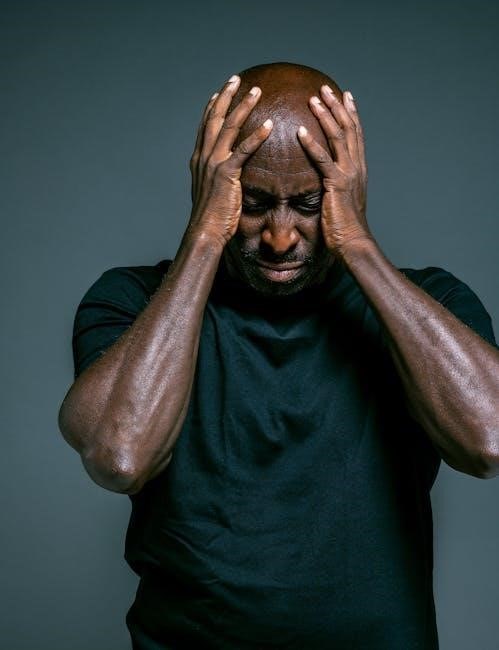
Breaking the Stigma
Addressing cultural misunderstandings and promoting open conversations are key to dismantling the stigma surrounding mental health within the Black community. This fosters healing and help-seeking.
Addressing Cultural Misunderstandings
Cultural misunderstandings significantly contribute to the barriers Black individuals face when seeking mental healthcare. Historically, a reluctance to discuss emotional wellbeing openly, often rooted in strength-based cultural narratives, has created a perception of mental health concerns as personal failings rather than legitimate health issues.
This is compounded by systemic issues; racial and ethnic minorities often encounter a lack of culturally competent providers who understand the nuances of their experiences. These providers may not fully grasp the impact of racism, discrimination, and historical trauma on mental health. Consequently, misdiagnosis or ineffective treatment can occur, further eroding trust in the mental healthcare system.
Breaking down these misunderstandings requires proactive education and culturally tailored interventions. It’s crucial to acknowledge the validity of diverse coping mechanisms and challenge the stigma associated with seeking help. Promoting mental health literacy within communities, and training healthcare professionals in cultural sensitivity, are vital steps towards equitable care.
Promoting Open Conversations About Mental Health
Creating spaces for open and honest conversations about mental health is paramount within the Black community. This necessitates dismantling the deeply ingrained stigma that often prevents individuals from seeking support, particularly Black men who frequently face a “solitary battle” due to cultural expectations of stoicism.
Initiatives like the Black Presence Hub exemplify a commitment to fostering flourishing and community, providing culturally relevant resources and support. Encouraging dialogue through community events, workshops, and peer support groups can normalize discussions around mental wellbeing.
Furthermore, leveraging mental health journalism resources, like those offered by Poynter and The Carter Center, can help disseminate accurate information and challenge harmful stereotypes. Amplifying Black voices and sharing personal stories of resilience can inspire others to prioritize their mental health and seek help without shame. Ultimately, fostering a culture of empathy and understanding is key.

Looking Ahead: The Future of Black Mental Health
The future of Black mental health hinges on sustained commitment to culturally competent care and proactive initiatives. Expanding access to mental health services within communities, particularly addressing disparities faced by racial and ethnic minorities, is crucial. The ongoing transformation of mental health support on college campuses, reaching over 50 institutions, signals a positive trajectory.
Continued investment in resources like the Black Presence Hub, fostering flourishing and community, will be vital. Prioritizing mental health journalism and amplifying Black voices will further dismantle stigma and promote understanding.
Addressing the alarming suicide rates among Black men and adolescents requires targeted interventions and culturally sensitive approaches. A truly unapologetic future demands systemic change, ensuring equitable access to quality care and fostering a society where Black mental wellbeing is prioritized and celebrated.