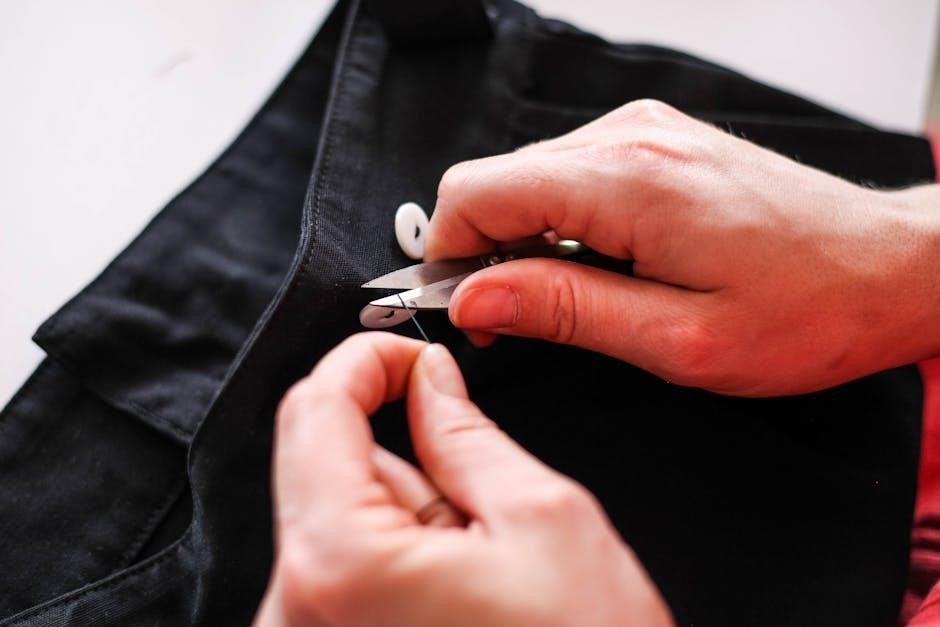
Singer Sew Mate Instruction Manual: A Comprehensive Guide
Discover a detailed resource for your Singer Sew Mate, covering models like 3337, 34L, and 5400, with downloadable PDF manuals and expert support.
The Singer Sew Mate series represents a long-standing tradition of quality and innovation in home sewing, dating back to Isaac Singer’s pivotal 1851 patent. These machines, including popular models like the 3337, 34L, 38L, 3800/20, 3860, and 5400, are designed for both beginners and experienced sewists. Known for their reliability and user-friendly features, the Sew Mate line offers a versatile range of stitches and capabilities.
This comprehensive guide aims to provide detailed instructions and support for all Sew Mate owners, ensuring a smooth and enjoyable sewing experience. From basic setup to advanced techniques, we’ll cover everything you need to know.
Understanding Different Sew Mate Models (3337, 34L, 38L, 3800/20, 3860, 5400)
The Singer Sew Mate series encompasses a variety of models, each with unique features. The 3337 Fashion Mate offers a blend of practicality and style, while the 34L and 38L are known for their durability. Models 3800/20 and 3860 provide expanded stitch options for creative projects. The 5400 builds upon these features with enhanced capabilities.
While sharing core functionality, stitch counts, and specific features like automatic needle threading may differ. This guide will offer general instructions applicable to most models, but always refer to your specific model’s manual for detailed information.
Locating and Downloading Manuals (PDF Resources)
Finding your Singer Sew Mate manual is easy! Official Singer websites offer downloadable PDFs for numerous models, including the 3337, 34L, 38L, 3800/20, 3860, and 5400. Several third-party manual databases also host these resources. File sizes vary, ranging from approximately 810K to 2.0M, depending on the model and manual’s detail.
Instant access to manuals like the 15-91 and 15K is available online. These PDF resources provide comprehensive instructions, diagrams, and troubleshooting tips to ensure optimal machine performance and longevity.
Essential Parts of the Singer Sew Mate Machine
Understanding your machine’s components is crucial for successful sewing. Key parts include the spool pin, responsible for holding the thread spool, and the bobbin winder, essential for preparing the bobbin. Thread guides ensure smooth thread flow. The needle clamp securely holds the needle, while the presser foot applies pressure to the fabric.
Furthermore, the feed dogs move the fabric under the needle, creating consistent stitches. Familiarizing yourself with these elements will greatly enhance your sewing experience and maintenance capabilities.
Identifying the Spool Pin, Bobbin Winder, and Thread Guides
The spool pin, typically located on top of the machine, securely holds the thread spool, allowing it to unwind smoothly. The bobbin winder, often found on the right side, prepares the bobbin with thread for lower stitching. Thread guides are strategically placed to direct the thread path, ensuring proper tension and preventing tangles.
Correctly utilizing these components is vital. Ensure the spool spins freely and the bobbin winds evenly. Following the thread path indicated by the guides guarantees optimal stitch quality and prevents machine malfunctions.
Understanding the Needle Clamp, Presser Foot, and Feed Dogs
The needle clamp firmly secures the needle, ensuring it doesn’t wobble during operation. The presser foot holds the fabric in place while stitching, applying even pressure for consistent results. Different presser feet exist for specialized tasks.
Beneath the presser foot lie the feed dogs, toothed metal pieces that advance the fabric through the machine. Proper alignment and functionality of these components are crucial for smooth, even stitching. Regularly check the needle for sharpness and the feed dogs for cleanliness.
Setting Up Your Singer Sew Mate
Proper setup is key to successful sewing! Begin by ensuring your machine is on a stable surface. Next, correctly wind the bobbin – a crucial step for consistent stitch formation. Following this, carefully thread the upper thread, following the numbered guides indicated in your manual.
Pay close attention to each step, ensuring the thread is properly seated in the tension discs and through the needle eye. A correctly threaded machine prevents skipped stitches and ensures optimal performance. Refer to your specific model’s diagram for accurate threading.
Winding the Bobbin Correctly
Begin by placing the thread spool on the spool pin, securing it with a spool cap. Guide the thread through the designated thread guides leading to the bobbin winder. Next, position the bobbin onto the bobbin winder spindle, ensuring it clicks into place.
Engage the bobbin winder by pushing it to the right. Gently press the foot pedal to start winding, allowing several turns to build up momentum. Once full, the winder will automatically stop. Trim the thread and remove the bobbin – a properly wound bobbin is essential!
Threading the Upper Thread – Step-by-Step

Start with the machine turned off and the presser foot raised. Place the spool on the spool pin and guide the thread through the first thread guide. Next, lead the thread down and around the tension discs, ensuring it seats correctly for proper tension.
Continue threading through the take-up lever, then down and through the needle clamp. Finally, thread the needle from front to back. Raise the presser foot and gently pull the thread through – a correctly threaded machine is vital for smooth sewing!
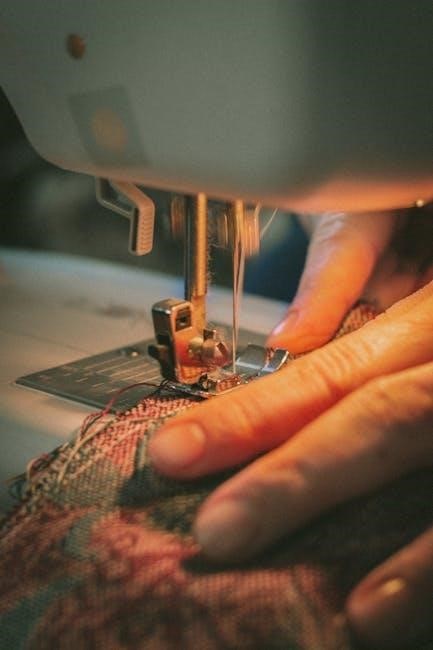
Basic Sewing Techniques
Mastering fundamental techniques is key to successful sewing with your Singer Sew Mate. Begin with understanding stitch length and width adjustments for varied projects. Practice straight stitching for seams and topstitching, ensuring consistent fabric feed.
Explore zigzag stitching for finishing raw edges and creating decorative elements. Experiment with different settings to achieve desired effects. Remember to always test stitches on scrap fabric before starting your project, guaranteeing a professional finish and preventing costly mistakes.
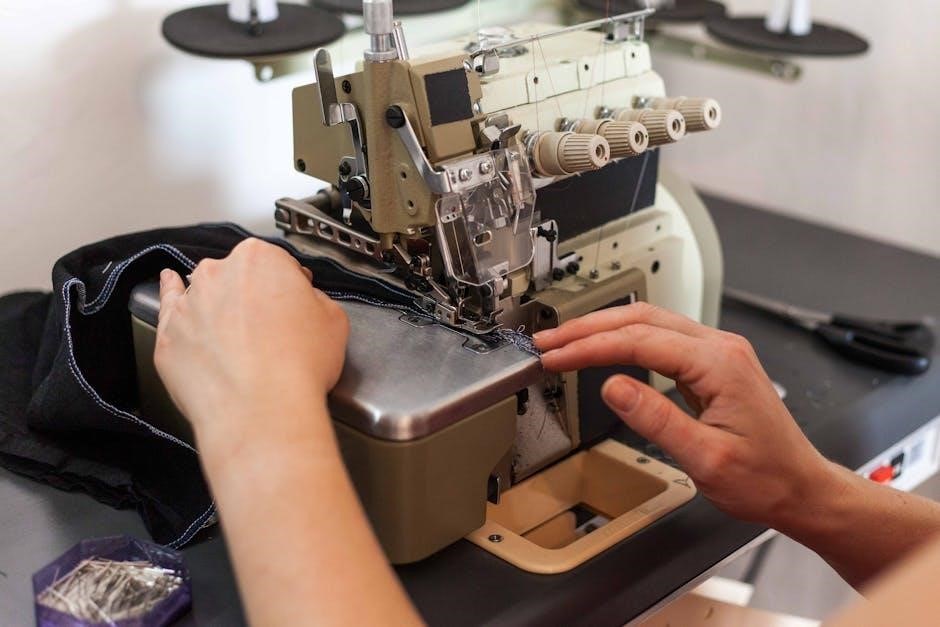
Straight Stitching: A Beginner’s Guide
Embark on your sewing journey with the foundational straight stitch! Select a stitch length appropriate for your fabric – shorter for delicate materials, longer for heavier ones. Ensure your thread is correctly threaded and the bobbin is wound properly.
Guide the fabric gently under the presser foot, maintaining a consistent speed. Avoid pulling or pushing the fabric; let the machine do the work. Practice sewing straight lines on scrap fabric before tackling your project. Consistent practice builds muscle memory and precision!
Zigzag Stitching: Applications and Settings
Unlock versatility with the zigzag stitch! Adjust stitch width and length for diverse applications. Narrower widths reinforce edges, preventing fraying, while wider widths create decorative effects. Utilize a longer stitch length for stretch fabrics, allowing for give without breakage.
Experiment with settings on scrap fabric to understand their impact. Zigzag is ideal for finishing raw edges, creating buttonholes (with appropriate settings), and attaching elastic. Mastering this stitch expands your sewing capabilities significantly, offering both function and flair.
Advanced Stitching Options
Elevate your projects beyond basic seams with advanced stitch selections! The Singer Sew Mate offers decorative stitches for embellishment, adding unique textures and visual appeal to garments and home décor. Explore options for creating professional-looking buttonholes, ensuring secure and neat finishes.
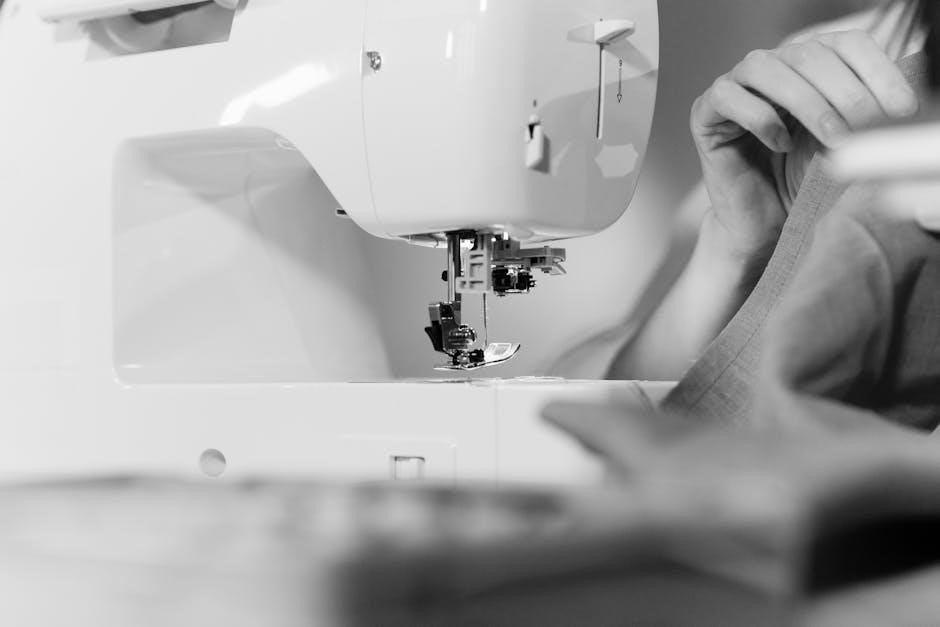
Refer to your manual for specific stitch guides and recommended settings. Experiment with different stitch combinations to achieve desired effects. These advanced features unlock creative potential, transforming simple fabrics into personalized masterpieces. Mastering these options expands your sewing skillset.
Decorative Stitches and Their Uses
Unleash creativity with the Singer Sew Mate’s diverse decorative stitch library! These stitches aren’t just for aesthetics; they offer functional benefits too. Use scallop stitches for edging, blanket stitches for appliqué, and various patterns to personalize projects.
Experiment with stitch width and length to alter the appearance. Decorative stitches enhance garment details, create unique quilting designs, and add flair to home décor items. Consult your manual for stitch diagrams and suggested applications. Don’t be afraid to test on scrap fabric first!
Buttonhole Stitching: A Detailed Explanation
Mastering buttonholes on your Singer Sew Mate requires precision. First, attach the buttonhole foot. Select the appropriate buttonhole stitch setting – typically, a dedicated buttonhole program is available; Position your fabric and carefully lower the presser foot.
The machine automatically sews a reinforced buttonhole outline. After completion, secure the stitches. Repeat for each buttonhole, ensuring consistent size and placement. Refer to your manual for specific buttonhole foot and stitch selection guidance. Practice on scrap fabric to achieve perfect results!
Maintaining Your Singer Sew Mate
Regular maintenance ensures your Singer Sew Mate’s longevity. Essential steps include cleaning lint from the bobbin area and feed dogs after each use. Use a small brush to remove debris. Periodically oil key lubrication points, as detailed in your manual – avoid over-oiling!
Address issues promptly; thread breakage or skipped stitches often indicate a need for cleaning or a new needle. Inspect the needle for damage regularly. A well-maintained machine delivers consistent, high-quality sewing results, saving you time and frustration.
Regular Cleaning and Oiling Procedures
Consistent cleaning is vital. Power off and unplug your Singer Sew Mate before starting. Use a brush to remove lint from the bobbin case, feed dogs, and surrounding areas after each sewing session. For deeper cleaning, a lint remover can be helpful.
Oiling should be done sparingly, focusing on points specified in your manual. Apply a drop of sewing machine oil to the motor hook and other designated areas. Avoid over-oiling, which can attract dust. Regular cleaning and oiling prevent malfunctions and extend your machine’s life.
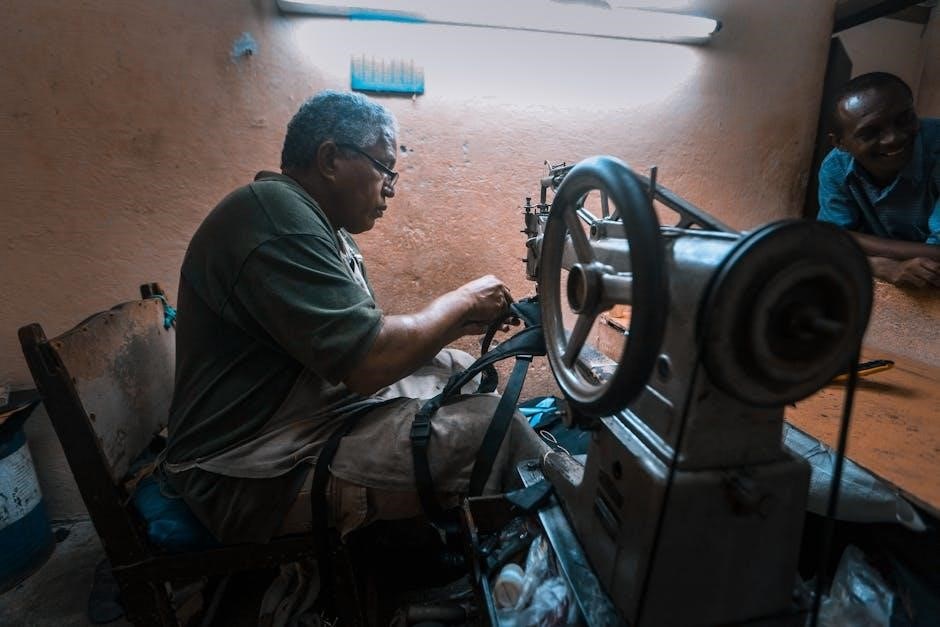
Troubleshooting Common Issues (Thread Breakage, Skipped Stitches)
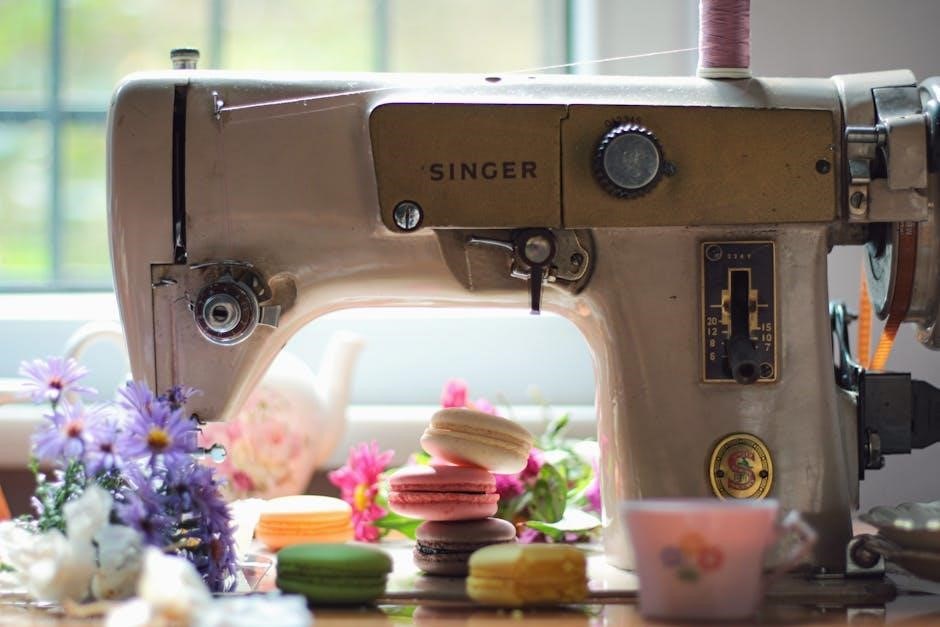
Thread breakage often stems from incorrect threading, a dull needle, or improper tension. Re-thread the machine carefully, ensuring the thread is seated correctly in all guides. Replace the needle with a new one of the correct type and size for your fabric.
Skipped stitches can indicate a bent needle, incorrect needle insertion, or issues with the timing. Check the needle for damage and re-insert it properly. Ensure the presser foot is down during sewing. If problems persist, consult the manual or seek professional assistance.
Needle and Presser Foot Selection
Choosing the right needle is crucial for successful sewing. Universal needles work for woven fabrics, while ballpoint needles are best for knits to avoid snagging. Denim needles handle heavier materials. Needle size corresponds to fabric weight; smaller for delicate fabrics, larger for thicker ones.
Presser feet enhance sewing capabilities. The standard foot suits general sewing. A zipper foot allows close stitching along zippers; A buttonhole foot simplifies buttonhole creation. Understanding each foot’s function unlocks your Singer Sew Mate’s full potential, ensuring optimal results on diverse projects.
Choosing the Right Needle for Different Fabrics
Selecting the correct needle dramatically impacts stitch quality. Universal needles are versatile for woven fabrics like cotton and polyester. Knit fabrics require ballpoint needles to glide between fibers, preventing runs and snags. Denim or jeans necessitate heavy-duty needles designed to penetrate thick layers.
Consider needle size alongside fabric weight. Finer fabrics demand smaller needles (size 60/8 to 80/12), while heavier materials need larger ones (size 90/14 to 110/18). Using the appropriate needle ensures smooth, even stitches and protects your fabric.
Understanding Different Presser Feet and Their Functions
Presser feet significantly expand your sewing capabilities. The standard foot is ideal for straight and zigzag stitching on most fabrics. A zipper foot allows precise stitching close to zipper teeth. A buttonhole foot automates buttonhole creation, ensuring consistent results.
Other specialized feet include a satin stitch foot for smooth satin stitches, and a blind hem foot for invisible hems. Understanding each foot’s purpose unlocks advanced techniques and enhances project outcomes. Experimenting with different feet broadens your creative possibilities.
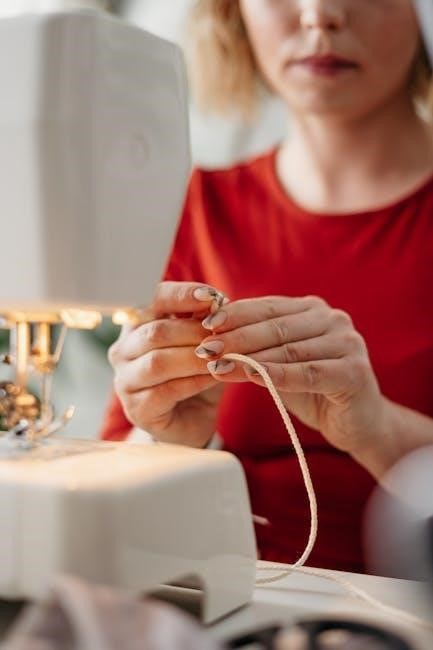
Safety Precautions When Using Your Machine
Always disconnect the power supply before threading, changing the needle, or performing any maintenance. Keep fingers away from the needle while sewing; use the needle plate as a guide. Never pull fabric while the machine is running, as this can cause injury or damage.
Ensure the machine is stable and on a level surface during operation. Do not use the machine if the power cord is damaged. Supervise children when near the sewing machine. Regularly inspect all parts for wear and tear, and address issues promptly.
Warranty Information and Support Resources
Singer offers warranties on their Sew Mate machines, varying by model and region – check your purchase documentation for specifics. For warranty claims and general support, visit the official Singer website. There, you’ll find FAQs, troubleshooting guides, and contact information for customer service.
Additional resources include online manuals, stitch guides, and machine updates. Support is also available through authorized Singer dealers and third-party sewing machine repair services. Explore the website for terms and conditions related to your machine’s warranty.
Singer Fashion Mate 360 Specific Instructions
The Singer Fashion Mate 360 boasts a range of features, detailed in its dedicated instruction manual, available for free download as a PDF. This model simplifies sewing with automatic needle threading and adjustable stitch settings. Users can access guidance on threading, bobbin winding, and stitch selection specific to this machine.
Troubleshooting tips within the manual address common issues, ensuring smooth operation. Explore decorative stitch options and learn how to utilize the machine’s capabilities for various fabric types and project needs.
Heavy Duty 4452 Model Overview
The SINGER Heavy Duty 4452 is engineered for power and versatility, featuring a robust metal frame and a high sewing speed. This machine excels at handling denim and heavier fabrics, alongside delicate materials. It includes 32 built-in stitches, offering options for diverse projects.
Its manual provides detailed instructions on utilizing these stitches, adjusting presser foot pressure, and maintaining optimal performance. The 4452 is designed for both beginners and experienced sewists seeking a durable and reliable machine.
Resources for Manuals and Updates
Access a wealth of support materials through the official SINGER website, offering downloadable manuals for various models, including the Sew Mate series and Fashion Mate machines. Explore third-party manual databases for additional resources, such as PDF versions of the 15-91, 15K, and 15K1 manuals.
Stay current with machine updates, stitch guides, and warranty information also available online. SINGER provides expert support to ensure your sewing machine operates smoothly and efficiently, maximizing your creative potential.
Official Singer Website for Manual Downloads
The official SINGER website serves as the primary hub for accessing comprehensive manuals for your Sew Mate and other models. You can instantly download free PDF manuals, including those for the 3337 Fashion Mate, 34L, 38L, 3800/20, and 3860.
Beyond manuals, SINGER’s site offers warranty details, terms & conditions, and machine updates to keep your sewing experience optimal. Explore stitch guides and benefit from expert support, ensuring your machine runs smoothly for years to come.
Third-Party Manual Databases
While the official SINGER website is preferred, several third-party databases offer Singer Sew Mate manuals as well. These resources can be valuable if you’re seeking older or less common models, such as the 15-91, 15K, or 15K1.
Websites like ManualsBase provide access to downloadable PDF files, sometimes including user manuals for the 5400 model. Remember to exercise caution when downloading from unofficial sources and verify file safety before opening.