
Overview of Beauty and the Beast Screenplay
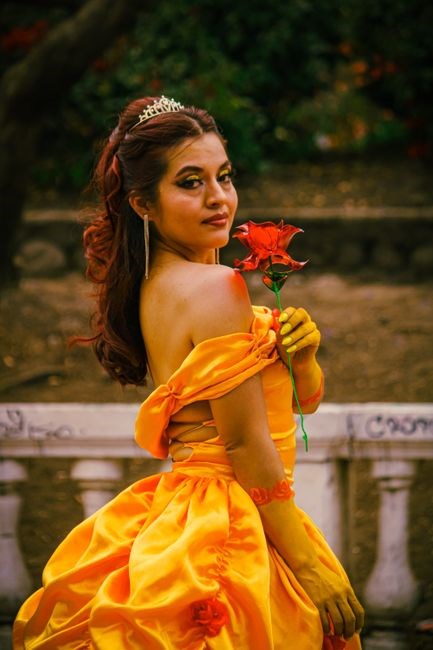
Beauty & the Beast screenplay PDFs capture the 1991 animated script and the 2017 live-action adaptation. They include scene breakdowns, character dialogues, and production notes. PDFs are available from official Disney sites, fan archives, and licensed distributors. Available via authorized sites only for all
Original 1991 Animated Film Script

The 1991 version of Disney’s “Beauty & the Beast” was penned by Linda Woolverton, whose screenplay laid the foundation for lyrical storytelling and character arcs. The 124‑page PDF, available through Disney’s archives and licensed distributors, is organized into 32 scenes that blend dialogue, stage directions, and musical cues. Woolverton’s draft weaves classic elements from Jeanne‑Marie Leprince de Beaumont’s 18th‑century tale with contemporary themes of self‑acceptance and empathy. The screenplay’s dialogue is noted for its poetic quality, with Belle’s lines reflecting curiosity and compassion, and the Beast’s evolution from gruffness to vulnerability. Musical numbers—written by Alan Menken with lyrics by Howard Ashman and Tim Rice—are embedded as separate sections, each marked with “Music:” and “Lyrics:” tags to guide production. The PDF also contains production notes, character descriptions, and a detailed scene list, allowing readers to trace the narrative flow and understand creative decisions. Fans and scholars reference the script to analyze character development, thematic motifs, and the interplay between dialogue and music that contributed to the film’s Academy Award win for Best Original Song. The document remains a valuable resource for screenwriters studying the craft of adapting classic literature into cinema. The script’s formatting follows standards, with scene headings in uppercase, character names centered, and dialogue indented, facilitating reference during production meetings and maintaining continuity across the film’s visual and musical sequences. Its enduring popularity ensures that the 1991 screenplay remains a benchmark for aspiring writers and a testament to Disney’s storytelling legacy. It spark
2017 Live-Action Adaptation Script
The 2017 live‑action rendition of Disney’s “Beauty & the Beast” was scripted by Stephen Chbosky and Evan Spiliotopoulos, building upon Linda Woolverton’s original framework while infusing contemporary sensibilities and. The 140‑page PDF, released through Disney’s official channels and licensed distributors, is segmented into 35 scenes that interlace dialogue, stage directions, and musical cues and. Chbosky’s draft preserves the core emotional beats of the 1991 tale—Belle’s curiosity, the Beast’s redemption—yet expands character backstories, adding depth to the Beast’s past and Belle’s family dynamics and. The screenplay incorporates new musical numbers, still credited to Alan Menken with lyrics by Howard Ashman and Tim Rice, and introduces additional songs that underscore the film’s modern aesthetic a. Production notes within the PDF detail set design choices, costume sketches, and key visual motifs, offering insight into the adaptation’s aesthetic shift from animation to live‑action character list. The script’s formatting adheres to industry standards: scene headings in uppercase, character names centered, and dialogue indented, facilitating clear communication among directors, actors, and production crews and. Scholars and aspiring writers frequently consult the PDF to study how the narrative was restructured for a contemporary audience while maintaining the original’s thematic integrity. The document also contains a timeline of production milestones, from initial script approval in 2015 to final shooting dates in early 2016, providing context for the screenplay’s place within the film’s broader development cycle. PDF includes a musical cue index and character list for referenceand.
Writers and Contributors
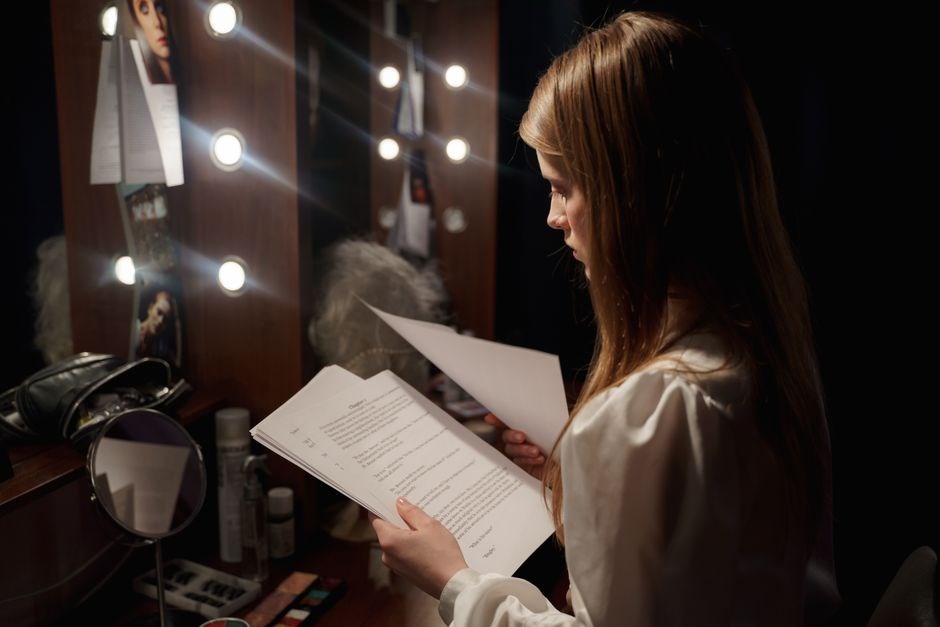
The screenplay PDF credits Stephen Chbosky and Evan Spiliotopoulos for the 2017 adaptation, while Linda Woolverton authored the original 1991 script. Musical composition by Alan Menken, with lyrics by Howard Ashman and Tim Rice, rounds out the creative team. Their teamwork enriched dialogue, musical moments.
Stephen Chbosky and Evan Spiliotopoulos
Stephen Chbosky and Evan Spiliotopoulos jointly crafted the 2017 live‑action adaptation of Disney’s classic tale. Their collaboration is evident in the screenplay PDF, where each scene balances dialogue, musical cues, and visual storytelling. Chbosky, known for his work on the 2005 film “The Last Song,” brings a youthful perspective, while Spiliotopoulos contributes a polished narrative flow. Together, they adapted the original character arcs, preserving Belle and the Beast’s emotional core while infusing fresh subplots. The PDF version includes detailed stage directions, character descriptions, and musical notes, offering insight into the writers’ envisioned pacing and tone. Their joint effort involved close collaboration with the musical team—Alan Menken, Howard Ashman, and Tim Rice—ensuring lyrical content integrated with rewritten dialogue. The resulting screenplay, available as a downloadable PDF, serves as a valuable resource for screenwriting students, illustrating how to adapt a beloved animated story into a live‑action format while maintaining fidelity to the original structure. The PDF also contains author notes and a brief commentary on the adaptation process, giving readers a behind‑the‑scenes look at creative decisions. Additionally, the document highlights key scenes reimagined for modern sensibilities, showing the writers’ commitment to innovation and respect for the source. Readers can view the PDF’s annotated version which provides context now for dialogue choices and scene transitions.
Linda Woolverton
Linda Woolverton, the original screenwriter of Disney’s 1991 animated classic, is credited with shaping the film’s narrative structure and character development. Her screenplay, now available in PDF form, lays out the story’s beats, dialogue, and stage directions in a format that has become a reference for aspiring writers. Woolverton’s work introduced the iconic opening “Tale as old as time” and the memorable “Be Our Guest” sequence, both of which are clearly delineated in the PDF’s scene headings. The document also contains her original character descriptions, which provide insight into the motivations behind Belle, the Beast, and the enchanted objects. In the PDF, readers can trace how Woolverton’s revisions from the first draft to the final shooting script refined the pacing and tightened the emotional arcs. The file includes marginal notes that explain her choices for certain lines, such as the Beast’s “I’m not a monster” moment, and how they align with the film’s themes of redemption and self‑acceptance. Additionally, the PDF offers a behind‑the‑scenes look at Woolverton’s collaboration with composer Alan Menken, lyricist Howard Ashman, and director Gary Rogers, illustrating how the screenplay was adapted into a musical format. For scholars and fans, the PDF serves as a primary source that documents Woolverton’s creative process and her lasting influence on Disney storytelling. The PDF also includes a timeline of revisions, the script’s evolution from drafts to final shooting.

Alan Menken, Howard Ashman, Tim Rice (Music & Lyrics)
Alan Menken, Howard Ashman, and Tim Rice collaborated to transform the 1991 animated film’s narrative into a musical tapestry, a process documented in the screenplay PDF. Menken’s compositions anchor the story’s emotional beats, while Ashman’s lyrical genius infuses the songs with wit and pathos. Rice, who joined the team for the 2017 live‑action adaptation, re‑imagined key numbers to suit contemporary audiences. The PDF contains annotated musical cues, lyric sheets, and stage directions that illustrate how the trio’s work interlocks with Woolverton’s script. It shows the evolution of “Be Our Guest” from a simple banquet scene to a full‑blown musical number, complete with choreography notes. The document also highlights the collaborative process: Ashman’s original drafts of “Belle” and “Beauty and the Beast” were later refined by Rice to match the film’s updated narrative structure. Menken’s score is annotated with tempo markings and orchestration details, offering insight into how the music supports character arcs; For researchers, the PDF provides a rare glimpse into the creative synergy that turned a fairy‑tale script into an Academy‑Award‑winning musical. By studying the annotated pages, one can trace the decision points that shaped the film’s iconic soundtrack and understand how the music and lyrics were tailored to enhance the screenplay’s dramatic rhythm. The PDF’s annotations reveal the iterative nature of the musical numbers, showing how each lyric line was tested, revised, and finalized to align with the film’s emotional beats, ensuring score words resonate very in harmony.
Availability of PDF Versions
Official Production Notes and PDFs
Disney’s official production notes for the 1991 animated and 2017 live‑action “Beauty & the Beast” are distributed as PDF files through licensed channels. Each PDF contains the full screenplay, annotated scene breakdowns, character sheets, and production design references. The 1991 notes include the original draft by Linda Woolverton, the final studio‑approved version, and commentary on musical numbers by Alan Menken with lyrics by Howard Ashman and Tim Rice. The 2017 notes feature the updated script by Stephen Chbosky and Evan Spiliotopoulos, revisions for the live‑action adaptation, and new dialogue for supporting roles. Disney offers these PDFs in the official “Script Library” for educational use, allowing students and scholars to trace the evolution from animated to live‑action. Access requires a valid Disney ID or a subscription to the Disney Script Archive. The PDFs are high‑resolution, preserving original formatting, scene headings, parentheticals, and musical cues. They include a “Version History” table that tracks changes between drafts, a glossary of production terms, and a list of key personnel such as producers, editors, and musical arrangers. The documents are protected under Disney’s copyright policy, which prohibits unauthorized distribution or modification. A digital watermark identifies the version and publication date, providing an audit trail for academic citation. Researchers can cite specific page numbers for precise analysis and cross‑reference scenes. These official PDFs serve as the definitive source for researchers studying the screenplay’s development, structure, and production history, offering a comprehensive view of the creative process behind Disney’s beloved story.
Fan and Archive PDF Downloads
Fans of Disney’s Beauty & the Beast often seek PDF copies online. Reputable fan archives host the 1991 animated and 2017 live‑action scripts, sourced from transcriptions or public‑domain scans. These PDFs include full dialogue, scene headings, and occasional notes.
Users can download these PDFs directly from sites like Springfield’s Archive, Script‑O‑Rama, or FilmScripts.com. After creating a free account, files are compressed to keep size low while preserving formatting for easy reading on tablets or PCs.
Some fan sites also provide supplementary PDFs of storyboard thumbnails, character sketches, or behind‑the‑scenes commentary. These extras help readers trace the visual evolution of key scenes and understand the interplay between script and illustration.
While fan PDFs are convenient, they may contain minor errors or formatting inconsistencies. Users should verify accuracy before citing them in academic work, and consider using the official Disney Script Library for the most reliable version; Always verify the original!
For researchers, the fan‑generated PDFs offer a glimpse into the creative process, but the official Disney PDFs remain the definitive source for scholarly analysis, ensuring accuracy and legal compliance.
Moreover fan sites where readers analyze scene changes, compare musical numbers, and debate character motivations. These community interactions enrich the script’s study, offering diverse perspectives that official releases capture. However, always cross‑check any fan‑derived analysis against the original script to avoid propagating inaccuracies.
Legal and Copyright Considerations
Unauthorized copies breach legal statutes and undermine the work and the rights of authors, composers, and performers. Respecting copyright and adaptations thrive legally.
Structure and Format of the Screenplay
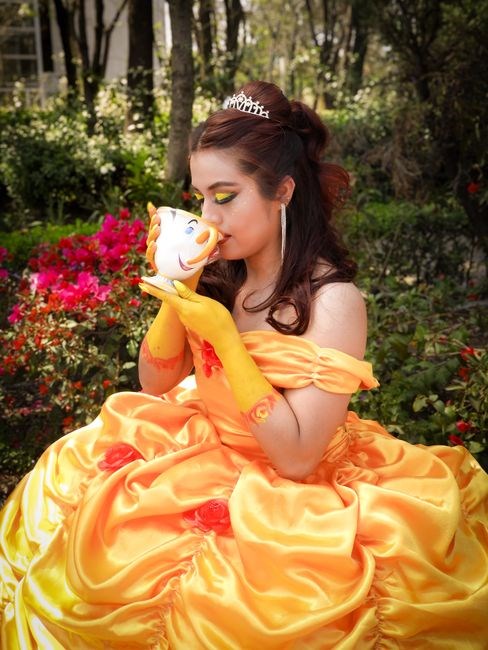
The PDF format presents the screenplay in a standard layout: scene headings, action lines, character names, dialogue, and directions. Each page follows the consistent margin scheme, with page numbers centered at the bottom. The document preserves original formatting, enabling accurate study and reference.
Scene Breakdown and Page Count
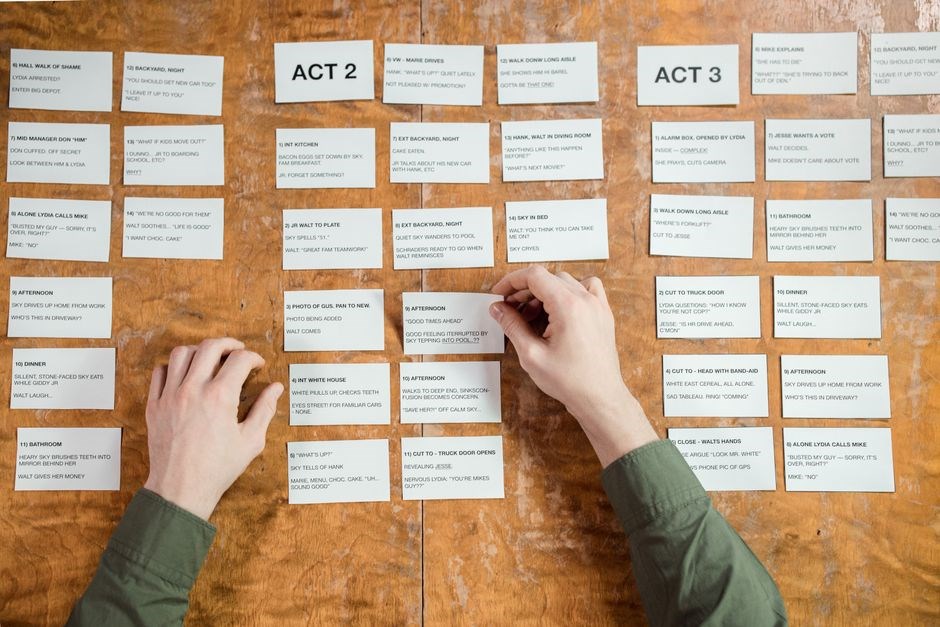
Beauty and the Beast screenplay PDFs provide a detailed scene‑by‑scene breakdown that mirrors the original 1991 animated film and the 2017 live‑action adaptation. Each scene is numbered and labeled with a concise heading that indicates location, time of day, and key action. The PDF format preserves the original page count of 101 pages for the animated version and 110 pages for the live‑action script, allowing readers to cross‑reference the two editions easily. Within each page, the layout follows industry standards: scene headings are centered and in uppercase, action descriptions are left‑aligned, and character names appear in bold above their dialogue. The page numbering is centered at the bottom of each page, matching the official screenplay layout. The scene breakdown includes not only the narrative beats but also the musical cues and stage directions that guide the production team. For example, Scene 12, “The Enchanted Garden,” is marked with a page reference and a brief synopsis that notes the introduction of the enchanted rose and the first appearance of the enchanted servants. This level of detail helps scholars, students, and fans trace the evolution of the story from the original tale to the modern adaptations. The PDFs also contain a table of contents that lists all scenes and their corresponding page numbers, facilitating quick navigation. In addition, the PDFs are annotated with marginal notes that explain changes made during the adaptation process, such as the addition of new characters or the alteration of dialogue to suit contemporary audiences. These annotations are invaluable for anyone studying screenplay structure, adaptation theory, or the specific creative choices made by the writers and directors. The PDF includes a glossary of key terms.?!
Character Dialogues and Stage Directions
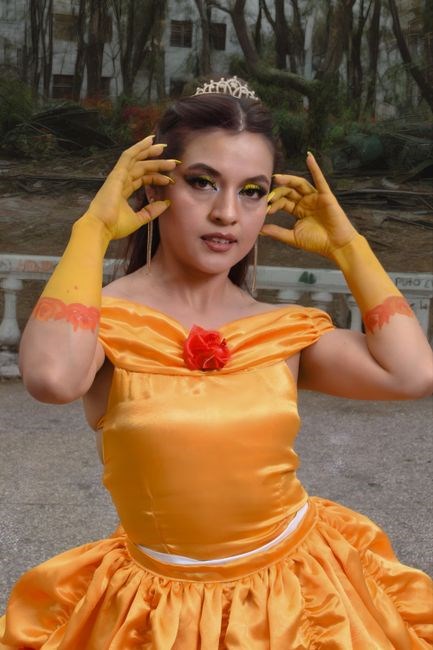
The PDF version of the Beauty and the Beast screenplay meticulously preserves the original dialogue formatting, with each character’s name centered and in bold above their lines. Stage directions are written in all caps and placed in parentheses to distinguish them from spoken words. For example, the iconic “Beauty, you’re the only one who can see the heart inside the beast” appears with a preceding stage direction indicating Belle’s emotional revelation. The script also includes detailed actions such as “BEAST: (softly) I will never love again,” followed by a stage direction describing the Beast’s trembling hands. Each scene’s stage directions provide cues for lighting, camera angles, and musical timing, allowing directors to translate the script into visual storytelling. The PDF’s layout follows industry standards, with a 12‑point Courier font and a 1‑inch margin, ensuring that dialogue and stage directions are easily readable. Additionally, the PDF contains marginal notes that explain why certain lines were altered from the original 1991 animated version to the 2017 live‑action adaptation, such as the expansion of Belle’s inner monologue. These annotations help readers understand the evolution of character arcs and the creative decisions behind each line. The screenplay’s stage directions also reference the enchanted objects—such as the rose, the enchanted servants, and the castle’s clock—providing context for the magical elements that drive the plot. By preserving these details, the PDF serves as a comprehensive resource for writers, directors, and scholars studying the intricacies of character development and stagecraft in this classic tale. The dialogue sections are also annotated with page numbers that correspond to the original script, allowing cross‑reference between the animated and live‑action versions. The stage directions often include emotional subtext, such as “Belle’s eyes widen as she realizes the truth,” which guides actors’ performances. The PDF also lists the original French dialogue for certain lines, providing a bilingual reference for international productions. In scenes involving the enchanted servants, the stage directions specify the synchronized movements of the clock, the teapot, and the candlestick, creating a cohesive visual rhythm. The screenplay’s formatting ensures that each character’s voice remains distinct, with Belle’s lines often written in a softer, lyrical tone, while the Beast’s lines carry a deeper, resonant quality. The PDF’s layout allows quick edits, as each page is numbered and each scene is clearly separated by a horizontal line. The dialogue annotations sometimes include the original lyric lines from the 1991 musical score, linking the screenplay to its musical counterpart. The structure demonstrates a balance between narrative clarity and artistic nuance, making it a valuable tool for both academic study and practical production.
Resources for Further Study
For scholars, writers, and enthusiasts seeking deeper insight into the Beauty and the Beast screenplay, a curated list of reputable resources is essential. First, the official Disney archive hosts the original 1991 animated script in PDF format, complete with production notes, character sheets, and annotated drafts. These documents are accessible through the Disney Library’s digital portal, which requires a valid library card or institutional login. Second, the Writers Guild of America maintains a searchable database of licensed screenplays, including the 2017 live‑action version by Chbosky and Spiliotopoulos; the PDF can be downloaded after a brief registration. Fourth, academic journals such as the Journal of Film and Video publish peer‑reviewed articles that analyze the screenplay’s structure, thematic motifs, and musical integration. Fifth, the American Film Institute’s catalog provides a detailed synopsis, production history, and critical reception, all of which are invaluable for contextual study. Sixth, the Screenwriting Academy hosts webinars and masterclasses featuring industry professionals who discuss the challenges of translating animated dialogue into live‑action prose. Finally, fan‑curated forums on sites like Reddit’s r/Screenwriting and the Script Library offer peer reviews, script breakdowns, and discussion threads that can illuminate subtle narrative choices. By consulting these resources, readers can gain a comprehensive understanding of the screenplay’s evolution, its artistic nuances, and its place within the broader landscape of cinematic storytelling.