
Mobility workout routines, often available as convenient PDF guides, are gaining traction for enhancing movement and overall wellbeing.
These programs offer targeted exercises, stretches, and mobility plans, designed to unlock your body’s potential and reduce discomfort.
Downloadable PDF resources provide a structured approach to improving flexibility and physical fitness, catering to various needs.
What is Mobility and Why is it Important?
Mobility, distinct from flexibility, encompasses the ability to actively control movement through a full range of motion at each joint.
A mobility workout routine PDF often emphasizes this active control, unlike simply stretching.
It’s crucial because restricted mobility can lead to pain, decreased performance, and increased risk of injury – impacting daily life and athletic endeavors.
These PDF guides frequently highlight how improved mobility supports efficient movement patterns, enhancing posture and reducing strain on muscles and joints.
Targeted exercises within these routines, like knee-to-wall stretches, aim to restore optimal joint function.
Whether you’re an athlete or a desk worker, a mobility plan is essential for maintaining a healthy, pain-free lifestyle, as detailed in many downloadable programs.
Prioritizing mobility is an investment in long-term physical wellbeing.
Benefits of a Regular Mobility Routine
A consistent mobility routine, often accessed through a convenient PDF, delivers a wealth of benefits.
These programs improve joint range of motion, reducing stiffness and enhancing overall movement efficiency.
Many PDF guides emphasize pain reduction, particularly for those with desk jobs or recovering from injury, by addressing muscle imbalances.
Athletes benefit from increased power and reduced injury risk, as highlighted in resources focused on sports-specific mobility.
Regular practice can also improve posture and body awareness, contributing to better biomechanics.
Mobility routines, detailed in downloadable PDFs, often incorporate foam rolling and dynamic stretches for optimal results.
Ultimately, a dedicated routine fosters a more resilient and functional body, enhancing quality of life.

Understanding the Components of a Mobility Workout
Mobility routines, often found in PDF format, blend dynamic stretches, joint-specific exercises, and self-myofascial release techniques for optimal movement.
Dynamic Stretching vs. Static Stretching
Mobility workout PDF guides frequently emphasize the distinction between dynamic and static stretching, each playing a crucial role in enhancing movement. Dynamic stretching involves controlled movements through a full range of motion – think leg swings or arm circles – preparing muscles for activity.
Conversely, static stretching entails holding a stretch in a challenging but comfortable position for a period, typically 30 seconds. While beneficial for improving flexibility, static stretching is generally recommended after a workout, not before, as it can temporarily reduce power output.
Many mobility routines, detailed in downloadable PDFs, prioritize dynamic stretching as a warm-up component, focusing on active movements to increase blood flow and joint lubrication. This approach prepares the body for more demanding exercises, optimizing performance and reducing injury risk. Understanding this difference is key to utilizing mobility programs effectively.
Joint-Specific Mobility Exercises
Mobility workout PDFs often categorize exercises by the joints they target, recognizing that each joint requires a unique approach to improve function. Common areas addressed include ankles, hips, thoracic spine, and shoulders.
For ankles, exercises like ankle circles and calf stretches are prevalent. Hip mobility often involves hip circles, pigeon pose variations, and dynamic lunges; Thoracic spine mobility focuses on rotations and extensions, while shoulder exercises include arm circles and scapular retractions.
These targeted routines, found within comprehensive PDF guides, aim to restore optimal range of motion and address specific movement limitations. A well-structured program will include a variety of exercises for each joint, promoting balanced flexibility and reducing the risk of injury.
The Role of Foam Rolling and Self-Myofascial Release
Many mobility workout PDFs incorporate foam rolling and self-myofascial release (SMR) techniques as crucial components. SMR aims to release tension in muscles and fascia – the connective tissue surrounding muscles – improving flexibility and reducing pain.
Foam rolling is a self-massage technique using a cylindrical foam roller to apply pressure to tight areas. Common areas targeted include the calves, hamstrings, quads, and back. PDF guides often demonstrate proper techniques and durations for each muscle group.
Integrating SMR before or after mobility exercises can enhance results, preparing tissues for movement or aiding recovery. A comprehensive program will explain how to effectively use foam rollers and other SMR tools to optimize mobility and overall wellbeing.

Creating Your Mobility Workout Routine PDF
PDF resources help personalize mobility. Assess current levels, design routines for beginner, intermediate, or advanced needs, and determine optimal frequency for lasting results.
Assessing Your Current Mobility Levels
Before diving into a mobility routine PDF, understanding your starting point is crucial. A comprehensive assessment reveals limitations and guides routine customization. Begin with simple self-tests: can you comfortably touch your toes? How far can you rotate your hips?
Observe any areas of stiffness or pain during basic movements. Consider functional assessments like squat depth, overhead reach, and single-leg balance. These highlight imbalances and restricted ranges of motion.
Document your findings – noting limitations in specific joints or movements. Many PDF guides include assessment checklists. This baseline data tracks progress and ensures the routine addresses your unique needs, preventing injury and maximizing benefits. Regular reassessment is key to continued improvement.
Designing a Routine for Your Needs (Beginner, Intermediate, Advanced)
Mobility routine PDFs often cater to varying fitness levels. Beginners should focus on foundational movements, prioritizing controlled range of motion over intensity. Start with 2-3 sessions weekly, emphasizing full-body exercises.
Intermediate practitioners can increase frequency to 3-4 times per week, incorporating more challenging variations and joint-specific drills. Introduce resistance bands for added difficulty.
Advanced individuals may benefit from daily mobility work, integrating complex movements and heavier resistance. Customize routines based on sport-specific demands or injury prevention. Remember to listen to your body, prioritizing proper form and avoiding pain. A well-designed PDF will offer progressions for each level.
Frequency and Duration of Mobility Workouts
Mobility routine PDFs frequently suggest varying frequencies based on individual needs and goals. For general wellbeing, 2-3 sessions per week, lasting 15-20 minutes, can be highly effective.
Athletes or those recovering from injury may require more frequent sessions – potentially daily – but shorter in duration (10-15 minutes). Consistency is key; even brief, regular work is superior to infrequent, lengthy sessions.
Beginners should start with shorter durations and gradually increase as their mobility improves. Many PDF guides offer structured schedules. Prioritize quality over quantity, focusing on controlled movements and proper form throughout each workout.

Sample Mobility Exercises for a Full-Body Routine

Mobility routine PDFs commonly include exercises for ankles, hips, thoracic spine, and shoulders. These stretches and dynamic mobilizations enhance range of motion.
Knee-to-wall stretches and active exercises are often featured, promoting full-body fluidity.
Mobility Exercises for the Ankles and Feet
Mobility workout PDF guides frequently emphasize ankle and foot exercises as foundational for overall movement health. These exercises aim to improve dorsiflexion, plantarflexion, inversion, and eversion – crucial for walking, running, and balance.
Commonly included are ankle circles, performed both clockwise and counterclockwise, to increase range of motion. Calf stretches, targeting both the gastrocnemius and soleus muscles, are also prevalent, often utilizing a wall or elevated surface. Toe yoga, involving spreading, curling, and lifting toes, enhances foot dexterity.
Furthermore, many routines incorporate banded ankle mobilizations, using resistance bands to challenge stability and control. These exercises help address stiffness and improve proprioception, reducing the risk of injury. Consistent practice of these ankle and foot mobility exercises contributes significantly to a more fluid and efficient gait.
Mobility Exercises for the Hips
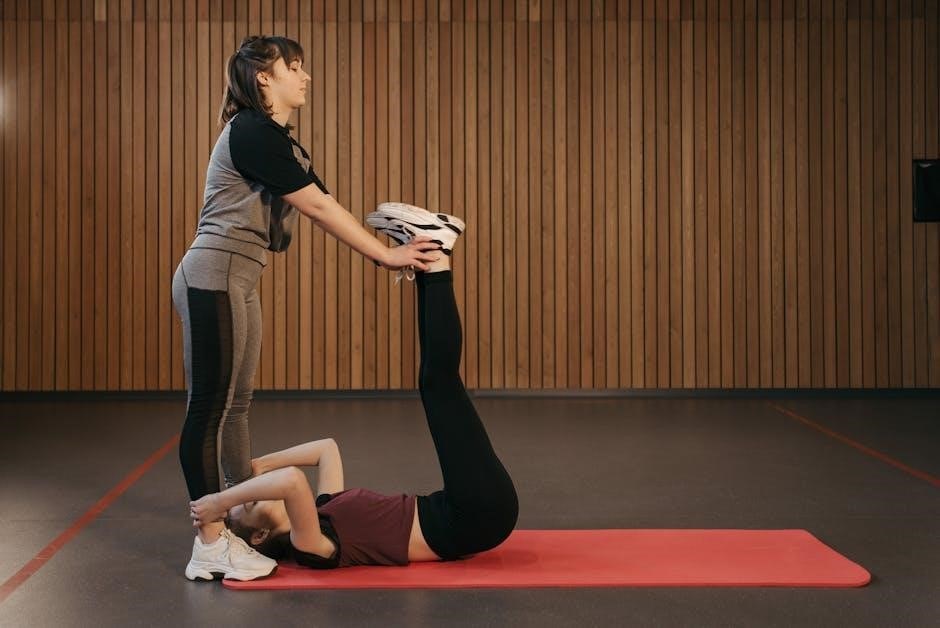
Mobility workout PDF resources consistently highlight hip exercises as vital for functional movement and injury prevention. These routines often prioritize improving hip flexion, extension, abduction, adduction, internal and external rotation.
Popular exercises include hip circles, performed in both directions, to enhance joint lubrication and range of motion. Dynamic stretches like leg swings (forward, backward, and lateral) are frequently included to prepare the hips for activity. Pigeon pose variations, targeting the external rotators, are common for increased flexibility.
Many PDF guides also feature banded hip distractions and hip CARs (Controlled Articular Rotations) to improve joint health and stability. Addressing hip mobility is crucial for alleviating lower back pain and optimizing athletic performance.
Mobility Exercises for the Thoracic Spine
Mobility workout PDFs frequently emphasize thoracic spine exercises, recognizing its impact on posture and overall movement quality. Limited thoracic mobility often contributes to shoulder and lower back issues, making these routines essential.
Common exercises include thoracic rotations, performed seated or kneeling, to improve rotational range of motion. Cat-cow stretches are often incorporated for gentle spinal articulation and increased flexibility. Foam rolling the thoracic spine is also a staple, releasing tension and improving tissue extensibility.
Many PDF guides feature open-book stretches and thread-the-needle variations, targeting specific areas of the thoracic spine. Improving thoracic mobility enhances breathing mechanics and supports optimal shoulder function.
Mobility Exercises for the Shoulders
Mobility workout PDFs dedicate significant attention to shoulder exercises, crucial for functional movement and injury prevention. These routines aim to address common restrictions and improve the shoulder’s range of motion in all planes.
Arm circles, both forward and backward, are frequently included for dynamic warm-ups. Shoulder dislocations with a band or light implement enhance external rotation and scapular control. Wall slides promote proper scapular positioning and upper back mobility.
Many PDF guides incorporate sleeper stretches to target internal rotation deficits. Cross-body shoulder stretches and doorway pec stretches further improve shoulder flexibility. Consistent practice of these exercises, as outlined in a routine, supports healthy shoulder mechanics.
Equipment Needed for Your Mobility Routine
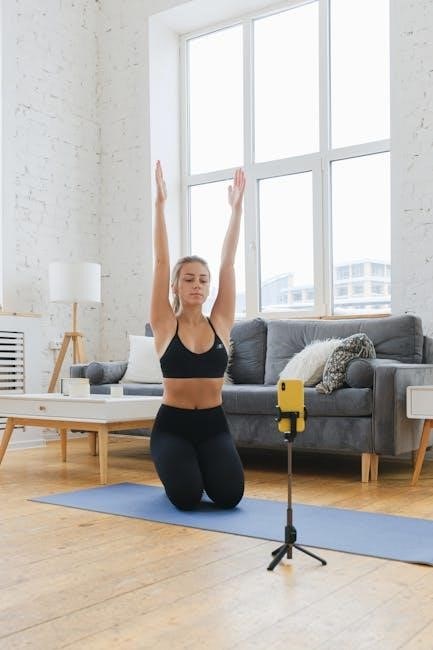
Many mobility routines, detailed in PDF guides, require minimal equipment. Resistance bands and foam rollers are common, while dumbbells or kettlebells are optional additions.
Resistance Bands
Resistance bands are a versatile and affordable addition to any mobility routine, frequently highlighted in mobility workout routine PDF guides. They provide variable resistance, assisting or challenging movements to improve range of motion and muscle activation.
Different colors typically indicate varying resistance levels, allowing for progressive overload as your mobility improves. These bands are excellent for exercises targeting hips, shoulders, and ankles, commonly found within full-body mobility programs.
PDF resources often demonstrate how to integrate bands into dynamic stretches and joint-specific exercises. Their portability makes them ideal for home workouts or travel, ensuring consistency in your fitness journey. They are a simple yet effective tool for enhancing your mobility and overall physical wellbeing.
Foam Rollers
Foam rollers are a cornerstone of self-myofascial release, frequently detailed within comprehensive mobility workout routine PDF guides. They help release muscle tension and improve tissue quality, enhancing mobility and reducing soreness. Utilizing a foam roller targets trigger points and adhesions, restoring optimal muscle function.
PDF resources demonstrate various rolling techniques for different muscle groups – legs, back, and shoulders are common focus areas. Integrating foam rolling before or after mobility exercises can maximize benefits, preparing muscles for movement or aiding recovery.
Different densities and textures cater to varying sensitivity levels. A quality foam roller is a cost-effective investment for anyone seeking to improve their flexibility and overall physical wellbeing, as outlined in many downloadable programs.
Dumbbells and Kettlebells (Optional)
While many mobility workout routine PDFs emphasize bodyweight exercises, dumbbells and kettlebells can be valuable additions for advanced practitioners. These tools introduce resistance, challenging stability and control during mobility drills. They aren’t essential, but can amplify the benefits.
PDF guides often include exercises like weighted thoracic rotations or kettlebell halos to enhance spinal mobility and shoulder range of motion. Using light to moderate weights encourages proper form and controlled movements, crucial for preventing injury.
Incorporating these implements requires a solid foundation of mobility and body awareness. Always prioritize technique over weight, as detailed in reputable programs, to maximize effectiveness and safety.

Downloading and Utilizing Mobility Workout PDFs
Numerous mobility workout routine PDF resources are available online; finding reputable sources is key.
Download options offer convenient, structured routines, but customization and progress tracking are essential for optimal results.
Finding Reputable PDF Resources
Locating trustworthy mobility workout routine PDFs requires careful consideration. Many websites offer free downloads, but quality varies significantly. Prioritize resources from certified fitness professionals, physical therapists, or established health and wellness organizations. Look for PDFs that clearly outline exercise instructions, demonstrate proper form (ideally with images or videos linked), and offer modifications for different fitness levels.
Beware of sources promoting unrealistic results or lacking credentials. Check for author information and any associated disclaimers regarding medical advice. Reputable PDFs often include a focus on safety, emphasizing the importance of listening to your body and avoiding pain. Websites offering comprehensive programs, like those focused on flexibility and movement enhancement, are generally more reliable. Always cross-reference information and consult with a healthcare professional before starting any new exercise routine.
Customizing Pre-Made Routines
Downloaded mobility workout routine PDFs often serve as excellent starting points, but personalization is key. Don’t hesitate to modify exercises based on your individual needs and limitations. If a stretch causes pain, adjust the range of motion or substitute it with a gentler alternative. Consider your current fitness level – beginners might reduce repetitions or sets, while advanced individuals can increase intensity.
Adapt the routine to address specific areas of tightness or weakness. You can add or remove exercises to focus on your problem areas. Incorporate equipment like resistance bands or dumbbells if desired, but always prioritize proper form. Remember to listen to your body and progress gradually. A customized routine ensures optimal results and minimizes the risk of injury, making it truly effective for you;
Tracking Your Progress
Consistent tracking is vital when utilizing a mobility workout routine PDF. Maintain a journal to record exercises completed, repetitions, sets, and any sensations experienced – noting pain or improvements in range of motion. Regularly assess your mobility levels, perhaps weekly or bi-weekly, to identify areas of progress and stagnation.
Consider taking photos or videos to visually document changes over time. This provides tangible evidence of your achievements and motivates continued effort. PDF routines often lack built-in tracking features, so a separate system is essential. Celebrate milestones and adjust your routine based on observed results. Consistent monitoring ensures you’re maximizing benefits and staying on the path to enhanced movement and wellbeing.
Mobility for Specific Populations
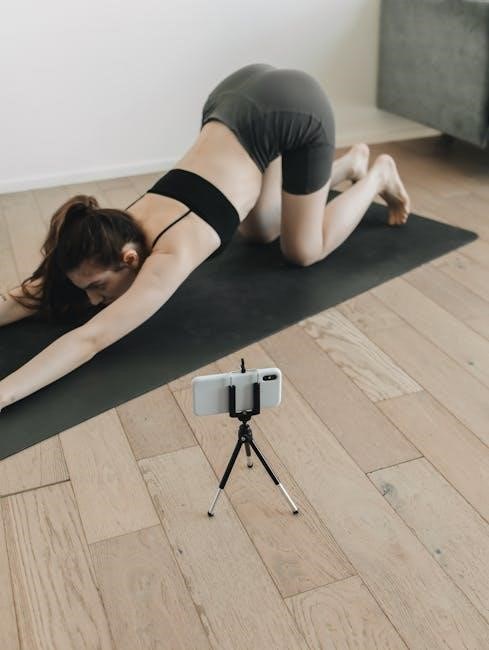
Mobility routine PDFs can be tailored; athletes benefit from performance enhancement, desk workers from posture correction, and those recovering from injury require modified exercises.
Mobility for Athletes
Mobility workout routine PDFs are invaluable for athletes seeking to optimize performance and minimize injury risk. These specialized programs focus on enhancing range of motion in key joints, directly translating to improved athletic capabilities.
Athletes often require dynamic mobility work before training or competition, preparing muscles and joints for the demands of their sport. Conversely, static stretching and self-myofascial release, guided by a PDF, can aid recovery post-exercise.
A well-structured mobility plan, downloadable as a PDF, addresses sport-specific movement patterns, improving efficiency and power. Targeted exercises for hips, ankles, and thoracic spine are frequently included, promoting optimal biomechanics and preventing common athletic injuries.
Accessing a comprehensive mobility guide in PDF format allows athletes to integrate these crucial routines into their training regimen effectively.

Mobility for Desk Workers
Mobility workout routine PDFs offer a vital counterpoint to the sedentary nature of desk work, combating stiffness and promoting long-term musculoskeletal health. Prolonged sitting often leads to decreased range of motion, particularly in the hips, shoulders, and spine.
These PDF guides typically feature simple, accessible exercises designed to be performed at or near the workstation. Focus areas include thoracic spine mobility, hip flexor stretches, and neck/shoulder releases, alleviating common desk-worker discomfort.
Incorporating short, frequent mobility breaks – guided by a downloadable routine – can significantly improve posture, reduce pain, and boost energy levels. A well-designed program emphasizes gentle movements and avoids exacerbating existing issues.
Utilizing a PDF ensures easy access to these essential movements, empowering desk workers to prioritize their physical wellbeing throughout the workday.
Mobility for Individuals Recovering from Injury
Mobility workout routine PDFs can be invaluable tools for individuals navigating the recovery process post-injury, but careful consideration is paramount. These programs, when appropriately tailored, help restore range of motion, reduce scar tissue restrictions, and rebuild functional movement patterns.
However, it’s crucial to select PDFs designed specifically for rehabilitation or to work with a physical therapist to modify existing routines. Exercises should be pain-free and progress gradually, respecting the body’s healing timeline.
A suitable routine will often emphasize gentle joint mobilizations, controlled range-of-motion stretches, and activation of stabilizing muscles. Prioritizing proper form and listening to bodily signals is essential to prevent re-injury.
Always consult a healthcare professional before starting any new exercise program following an injury.