Anti-Reflux Diet: A Comprehensive Guide (PDF Focus)
Navigating acid reflux demands a tailored diet, often best accessed via a comprehensive PDF guide. These resources detail food choices—oatmeal, lean proteins, and specific fruits—to minimize GERD symptoms.
Understanding Acid Reflux & GERD
Acid reflux occurs when stomach acid frequently flows back into the esophagus, causing irritation. This common condition can manifest as heartburn, a burning sensation in the chest, often after eating. While occasional reflux is normal, frequent occurrences can signal a more serious issue: Gastroesophageal Reflux Disease (GERD).
GERD is a chronic digestive disease where acid reflux happens repeatedly, potentially damaging the esophagus over time. Understanding the underlying mechanisms is crucial for effective management, and a carefully planned diet, often detailed in accessible PDF guides, plays a pivotal role. These guides emphasize identifying trigger foods and adopting eating habits that minimize acid production and esophageal exposure.
The backwash of stomach acid irritates the lining of the lower esophagus, leading to discomfort. Managing this through diet, alongside lifestyle adjustments, is key to alleviating symptoms and preventing long-term complications. A PDF resource can provide a structured approach to dietary changes.
What is Gastroesophageal Reflux Disease (GERD)?
Gastroesophageal Reflux Disease (GERD) is a chronic digestive condition characterized by frequent acid reflux. Unlike occasional heartburn, GERD involves persistent backflow of stomach acid into the esophagus, leading to inflammation and potential damage. This occurs when the lower esophageal sphincter (LES), a muscular ring, weakens or relaxes inappropriately, allowing stomach contents to rise.
Symptoms extend beyond heartburn and can include regurgitation, difficulty swallowing, chest pain, and even a chronic cough. Long-term, untreated GERD can lead to more serious complications like esophagitis, esophageal strictures, and Barrett’s esophagus.
Managing GERD often requires a multifaceted approach, with diet being a cornerstone. Comprehensive PDF resources detailing an anti-reflux diet are invaluable, outlining foods to include and avoid. These guides emphasize minimizing triggers and promoting digestive health, offering a structured path towards symptom relief and improved quality of life. Understanding GERD is the first step towards effective dietary management.
Common Symptoms of Acid Reflux & GERD
Acid reflux and GERD manifest through a range of uncomfortable symptoms. The most recognizable is heartburn – a burning sensation in the chest, often after eating. Regurgitation, the backflow of sour-tasting stomach contents, is also common. However, symptoms can be atypical, including difficulty swallowing (dysphagia), a persistent cough, hoarseness, and even asthma-like symptoms.
Some individuals experience chest pain that mimics a heart attack, necessitating medical evaluation. Chronic acid exposure can also lead to nausea and a feeling of a lump in the throat. Recognizing these symptoms is crucial for seeking appropriate management, often beginning with dietary adjustments.
Anti-reflux diet PDF guides are helpful in identifying trigger foods and adopting a symptom-reducing eating plan. These resources detail how specific foods exacerbate symptoms, empowering individuals to proactively manage their condition and improve their overall well-being through informed dietary choices.
Dietary Recommendations for Anti-Reflux
Anti-reflux diets, often detailed in PDF guides, prioritize gentle foods like oatmeal, lean proteins, and non-citrus fruits. Avoiding triggers is key for symptom relief.
Foods to Include in Your Anti-Reflux Diet
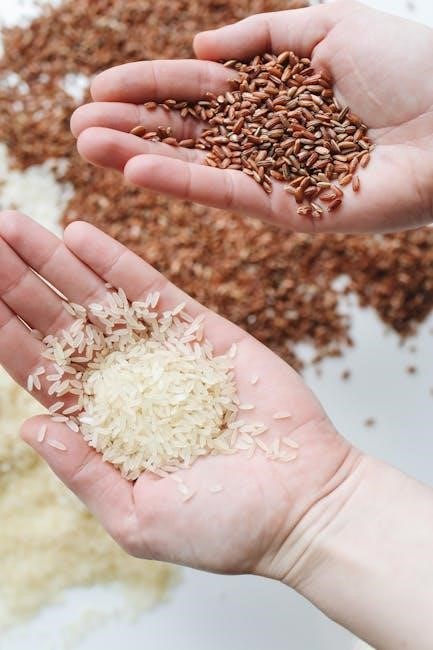
A well-structured anti-reflux diet, often outlined in detailed PDF resources, centers around incorporating soothing and easily digestible foods. Oatmeal and whole grains, like brown rice and couscous, are frequently recommended due to their high fiber content, aiding digestion and reducing acid production. Lean proteins – chicken, fish, and turkey – provide essential nutrients without the high-fat content that can exacerbate GERD.
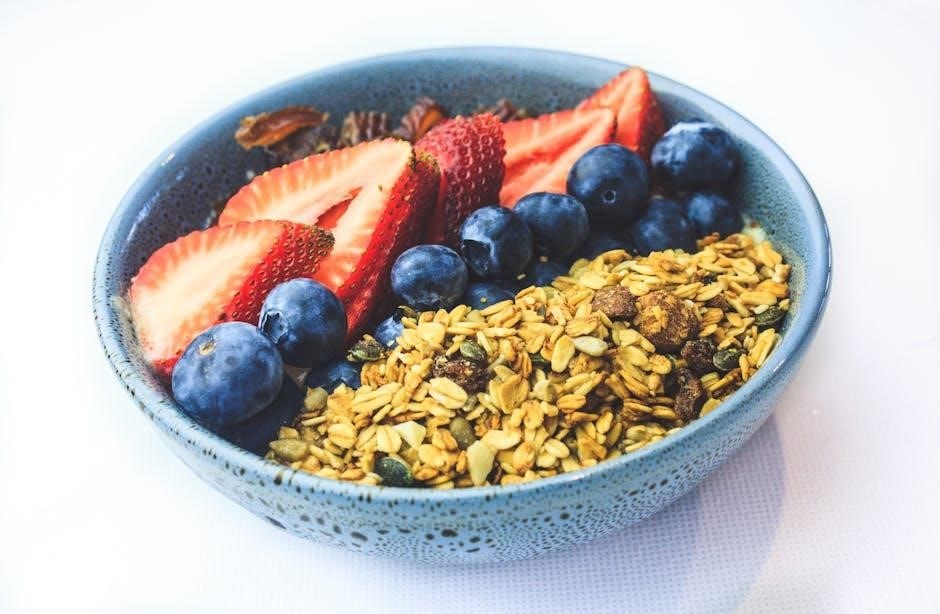
Non-citrus fruits such as melons, apples, and berries are generally well-tolerated and offer vital vitamins. A wide variety of vegetables, including root vegetables like sweet potatoes, carrots, and beets, alongside green vegetables, contribute essential fiber and nutrients. Finally, healthy fats from sources like olive, sesame, and canola oils are beneficial, replacing saturated and trans fats. These food choices, detailed in PDF guides, form the foundation of a comfortable and effective anti-reflux approach.
Oatmeal & Whole Grains

PDF guides on anti-reflux diets consistently highlight oatmeal and whole grains as cornerstone foods. Their high fiber content is crucial; fiber absorbs stomach acid and promotes regular bowel movements, reducing pressure on the lower esophageal sphincter. Oatmeal, specifically, creates a protective coating in the stomach, buffering acid and minimizing irritation.
Beyond oatmeal, consider incorporating whole grains like brown rice, couscous, and whole-wheat bread into your meals. These provide sustained energy and continued fiber benefits. However, portion control is key – excessive intake can still contribute to bloating. Detailed PDF resources often provide specific serving suggestions. Choosing minimally processed whole grains is also vital, avoiding added sugars or fats that could trigger acid reflux. Prioritizing these grains supports a calmer digestive system, as detailed in comprehensive anti-reflux diet plans.
Lean Proteins: Chicken, Fish & Turkey
Anti-reflux diet PDF guides universally recommend prioritizing lean protein sources like chicken, fish, and turkey over red meat. These options are lower in fat, a critical factor in minimizing GERD symptoms. High-fat foods delay stomach emptying, increasing the likelihood of acid reflux. Opting for baked, grilled, or poached preparations, rather than fried, further reduces fat intake.
Fish, particularly fatty fish like salmon, offers the added benefit of omega-3 fatty acids, which possess anti-inflammatory properties. This can help soothe irritation in the esophagus. PDF resources often specify skinless chicken breast and white fish as optimal choices. Portion control remains important; even lean proteins can exacerbate symptoms if consumed in excessive quantities. Detailed diet plans within these guides provide recommended serving sizes and preparation methods to support digestive health and reduce acid reflux episodes.
Non-Citrus Fruits: Melons, Apples & Berries
Anti-reflux diet PDF materials consistently highlight non-citrus fruits – melons, apples, and berries – as excellent choices for individuals managing GERD. Citrus fruits’ high acidity can trigger heartburn, making these gentler alternatives preferable. Melons, like cantaloupe and honeydew, possess a high water content, aiding in digestion and potentially diluting stomach acid. Apples, particularly those with lower acidity, provide fiber, which supports overall digestive health.
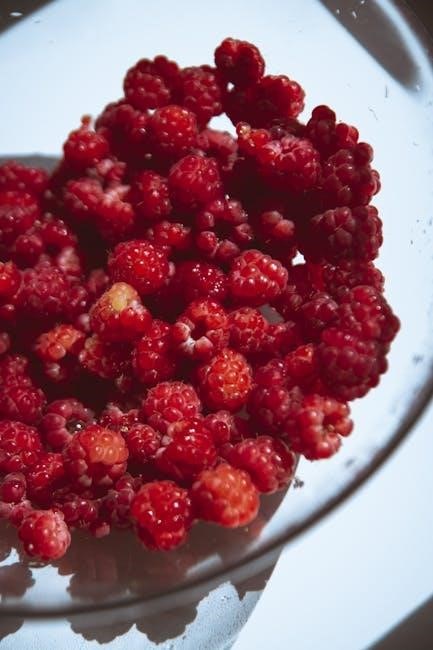
Berries, including blueberries, strawberries, and raspberries, are rich in antioxidants and generally well-tolerated. However, individual sensitivities vary, so monitoring your body’s response is crucial. PDF guides often advise consuming these fruits in moderation. Avoid adding sugary toppings or combining them with trigger foods like chocolate. These fruits contribute essential vitamins and minerals while minimizing the risk of exacerbating acid reflux symptoms, making them a valuable component of a balanced diet.
Vegetables: A Wide Variety is Encouraged
Anti-reflux diet PDF resources universally recommend a generous intake of vegetables. Unlike many other foods, vegetables are generally low in fat and non-acidic, making them easily digestible and less likely to trigger GERD symptoms. Root vegetables like sweet potatoes, carrots, and beets are frequently highlighted for their fiber content, which aids in digestion and can help manage weight – a crucial factor in reducing acid reflux.
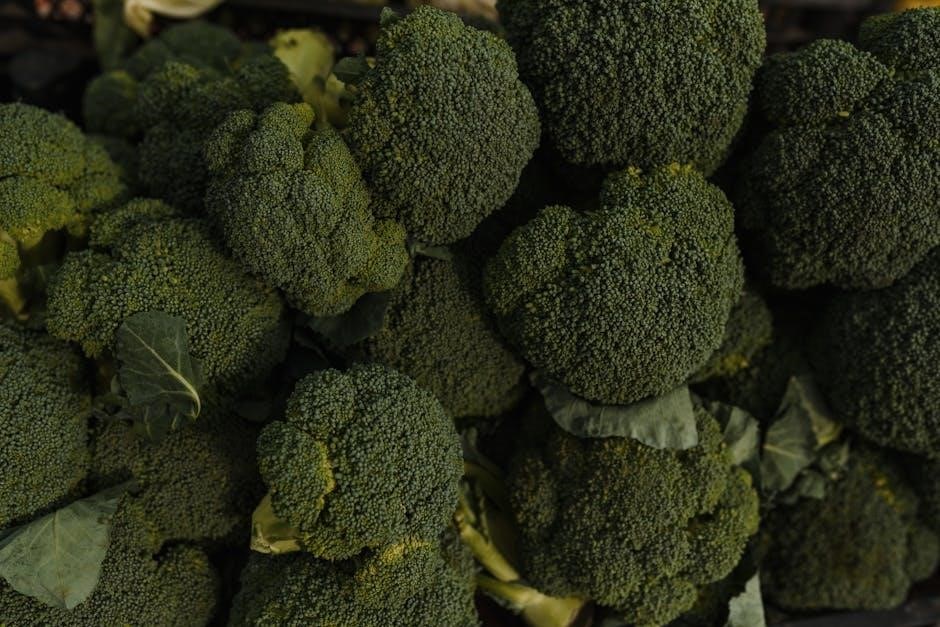
Green vegetables, such as broccoli, asparagus, and green beans, are also excellent choices, providing essential nutrients without irritating the esophagus. However, some individuals may find certain vegetables, like onions or garlic, problematic. PDF guides often suggest introducing new vegetables gradually to identify personal triggers. Steaming or boiling vegetables is preferred over frying to minimize fat content. A diverse vegetable intake supports overall health while actively mitigating acid reflux, forming a cornerstone of an effective diet.
Healthy Fats: Olive, Sesame & Canola Oils
Anti-reflux diet PDF guides emphasize the importance of type of fat consumed, steering individuals away from saturated and trans fats. Unsaturated fats, specifically those found in olive, sesame, and canola oils, are recommended as healthier alternatives. These oils not only contribute to overall well-being but also possess anti-inflammatory properties, potentially soothing the esophagus. Replacing less healthy fats with these oils can significantly reduce GERD symptoms.
Sunflower and safflower oils are also frequently mentioned as beneficial options. However, moderation remains key; even healthy fats are calorie-dense. PDF resources often provide guidance on appropriate portion sizes and cooking methods. Avoid frying in any oil, as this adds unnecessary fat and can exacerbate acid reflux. Utilizing these oils in dressings, marinades, or light sautéing is encouraged. Prioritizing unsaturated fats is a vital component of a successful anti-reflux diet, as detailed in comprehensive PDF materials.
Foods to Avoid or Limit
Anti-reflux diet PDF resources consistently highlight a list of foods to avoid or significantly limit to manage GERD symptoms. High-fat foods and fried items are primary culprits, as they delay stomach emptying and increase acid production. Citrus fruits and juices, while nutritious, can trigger heartburn due to their acidity. Similarly, chocolate and caffeine relax the lower esophageal sphincter, promoting reflux.
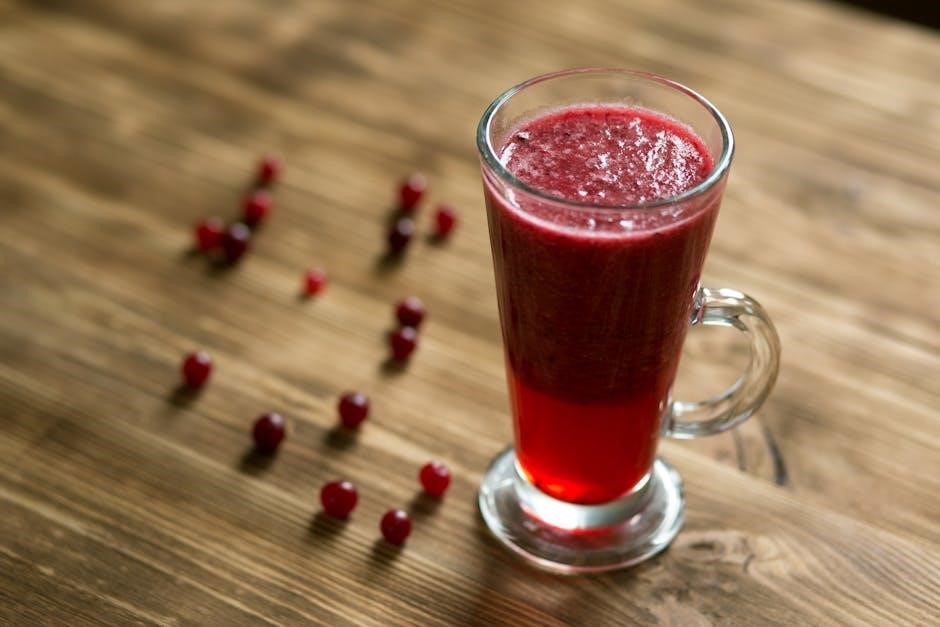
Carbonated beverages and alcohol should also be minimized, as they increase stomach pressure. Tomato-based products, including sauces and soups, are frequently identified as problematic. Spicy foods and pepper irritate the esophageal lining, exacerbating discomfort. Even seemingly benign options like mint and peppermint can relax the sphincter. PDF guides often provide detailed lists and substitution suggestions. Understanding these triggers and adhering to the recommended limitations is crucial for effective acid reflux management, as outlined in comprehensive diet plans.
High-Fat Foods & Fried Foods
Anti-reflux diet PDF guides universally emphasize the avoidance of high-fat foods and fried items. These significantly contribute to GERD symptoms by delaying gastric emptying, meaning food remains in the stomach longer, increasing the likelihood of acid reflux. The increased stomach distension from fatty meals also puts pressure on the lower esophageal sphincter (LES), weakening its ability to prevent acid backflow.
Fried foods, in particular, are problematic due to their high fat content and the way they are processed. Even seemingly healthy foods, when fried, become triggers. PDF resources often detail specific examples – french fries, onion rings, fried chicken – and suggest healthier cooking methods like baking, grilling, or steaming. Prioritizing lean protein sources and low-fat cooking techniques is a cornerstone of an effective anti-reflux diet, as detailed in downloadable diet plans and informational PDFs.
Citrus Fruits & Juices
Anti-reflux diet PDF materials consistently advise limiting or avoiding citrus fruits and their juices. The high acidity of these foods – oranges, grapefruits, lemons, limes – can irritate the esophageal lining, exacerbating GERD symptoms like heartburn. This irritation occurs because the weakened LES, common in individuals with reflux, allows acid to easily flow upwards, and citrus compounds amplify this discomfort.
PDF guides often explain that even small portions can trigger symptoms in sensitive individuals. While seemingly healthy, the citric acid content overrides the nutritional benefits for those managing reflux. Alternatives like melons, apples, and berries are frequently recommended as safer fruit choices. Detailed diet plans within these PDFs provide substitution suggestions and emphasize the importance of monitoring individual tolerance levels. Understanding these triggers is crucial for effective anti-reflux management, as highlighted in comprehensive downloadable resources.
Chocolate & Caffeine
Anti-reflux diet PDF resources universally flag chocolate and caffeine as significant triggers for GERD. Both substances contribute to the relaxation of the lower esophageal sphincter (LES), the muscle that prevents stomach acid from backing up into the esophagus. Chocolate, particularly dark chocolate, contains methylxanthines which have a similar effect to caffeine, intensifying reflux symptoms.
PDF guides detail how caffeine, found in coffee, tea, and some sodas, increases stomach acid production, further exacerbating the problem. These downloadable plans often suggest switching to herbal teas or decaffeinated beverages. The diet recommendations emphasize that even moderate consumption can be problematic for sensitive individuals. Detailed lists within these PDFs highlight alternative treats and beverages. Managing intake, or complete avoidance, is often presented as a key strategy for symptom control, as emphasized in comprehensive anti-reflux guides.
Carbonated Beverages & Alcohol
Anti-reflux diet PDF guides consistently advise limiting or eliminating carbonated beverages and alcohol due to their detrimental effects on GERD. Carbonation increases pressure within the stomach, potentially forcing acid up into the esophagus and triggering heartburn. The bubbles expand the stomach, weakening the lower esophageal sphincter (LES) and promoting reflux.
PDF resources detail how alcohol, especially wine and beer, relaxes the LES, allowing stomach acid to flow back more easily. It also stimulates acid production. These downloadable plans often suggest substituting carbonated drinks with still water or herbal teas. The diet recommendations emphasize that even small amounts of alcohol can worsen symptoms for many individuals. Comprehensive anti-reflux PDFs provide lists of suitable alternatives and strategies for managing social situations without triggering reflux. Avoiding these beverages is often presented as a crucial step towards symptom relief.
Tomatoes & Tomato-Based Products
Anti-reflux diet PDF resources frequently highlight tomatoes and tomato-based products – including sauces, ketchup, and juice – as significant triggers for acid reflux and GERD. Their high acidity directly irritates the esophageal lining, exacerbating heartburn symptoms. These downloadable guides explain that even cooked tomatoes can pose a problem for sensitive individuals.
PDF plans often recommend complete avoidance or strict limitation of these foods. The reasoning detailed within these resources centers on tomatoes’ ability to relax the lower esophageal sphincter (LES), allowing stomach acid to flow upwards. Alternatives suggested in anti-reflux PDFs include using alternative seasonings and sauces with lower acidity. Many guides emphasize that individual tolerance varies, but tomatoes are generally considered a high-risk food. Careful label reading is encouraged to identify hidden tomato ingredients in processed foods, ensuring adherence to the diet.
Spicy Foods & Pepper
Anti-reflux diet PDF guides consistently categorize spicy foods and pepper – including chili peppers, cayenne pepper, and even black pepper – as major contributors to acid reflux and GERD symptoms. These resources explain that capsaicin, the chemical compound responsible for the “heat” in peppers, irritates the esophageal lining and delays gastric emptying, increasing the likelihood of stomach acid backflow.
PDF materials emphasize that the intensity of the reaction varies, but most individuals experience worsened heartburn after consuming spicy meals. These guides often suggest eliminating all forms of pepper and spicy seasonings initially, then cautiously reintroducing small amounts to assess tolerance. Alternatives detailed in these anti-reflux plans include using herbs and milder spices for flavoring. The diet’s success relies on identifying personal triggers, and PDFs stress that even seemingly mild spices can be problematic for some. Careful label reading is crucial to avoid hidden spicy ingredients in processed foods.

Mint & Peppermint
Anti-reflux diet PDF resources surprisingly highlight mint and peppermint as potential triggers for acid reflux and GERD, despite their common use for soothing digestive upset. These guides explain that mint contains menthol, which can relax the lower esophageal sphincter (LES), the muscle that prevents stomach acid from flowing back into the esophagus. This relaxation allows acid to rise, causing heartburn.
PDF materials detail that peppermint, in particular, is strongly linked to increased reflux symptoms. While often used for IBS, its effect on the LES can exacerbate GERD. These anti-reflux plans recommend avoiding peppermint tea, candies, and even toothpaste containing peppermint oil. The guides suggest exploring alternative herbal teas like chamomile or ginger, which are generally considered gentler on the digestive system. Identifying individual sensitivities is key, and PDFs advise cautious reintroduction after symptom control is achieved. Careful ingredient checks are vital, as mint is frequently found in unexpected foods and beverages.
Meal Planning & Timing
Anti-reflux diet PDF guides emphasize smaller, frequent meals over large ones. Avoiding late-night eating—at least 2-3 hours before bed—is crucial for minimizing nighttime acid reflux.
Smaller, More Frequent Meals
Anti-reflux diet PDF resources consistently highlight the benefit of shifting from three large meals to five or six smaller ones throughout the day. This approach reduces the volume of food in your stomach at any given time, lessening the pressure on the lower esophageal sphincter (LES). A full stomach is a primary trigger for acid reflux, as it increases the likelihood of stomach acid backing up into the esophagus.
By distributing your food intake, you maintain more consistent stomach acid levels and avoid overwhelming the digestive system. These guides often suggest portion sizes that are easily digestible and won’t cause bloating or discomfort. Remember, the goal isn’t deprivation, but rather a strategic approach to eating that supports optimal digestion and minimizes reflux episodes. Prioritizing mindful eating and savoring each smaller meal can also contribute to improved digestive health, as detailed in many anti-reflux diet PDF guides.
Avoid Eating Before Bed
Anti-reflux diet PDF materials universally recommend avoiding food consumption at least 2-3 hours before lying down. This crucial guideline stems from the fact that gravity assists in keeping stomach acid where it belongs – in the stomach – when you’re upright. When you recline, especially after eating, it’s much easier for acid to flow back up into the esophagus, causing heartburn and other GERD symptoms.
These guides emphasize that late-night snacking, even with seemingly harmless foods, can significantly increase the risk of nighttime reflux. Allowing sufficient time for digestion before bed gives your stomach a chance to empty, reducing the volume of acid available to cause irritation. Many anti-reflux diet PDF resources suggest a light, low-acid snack like a small portion of oatmeal if absolutely necessary, but strongly advise against larger meals or trigger foods close to bedtime. Prioritizing this simple change can dramatically improve sleep quality and reduce discomfort.
Proper Posture During & After Meals
Anti-reflux diet PDF guides consistently highlight the importance of posture, both during and immediately following meals. Maintaining an upright position – ideally sitting – while eating utilizes gravity to aid digestion and minimize the likelihood of stomach acid traveling upwards. Avoid slouching or lying down directly after finishing your food; these positions encourage reflux.
These resources often recommend remaining upright for at least 30-60 minutes post-meal. Gentle walking is encouraged as it can further promote digestion, but strenuous activity should be avoided. The anti-reflux diet PDF materials emphasize that even seemingly minor postural adjustments can make a significant difference in managing symptoms. They suggest avoiding tight-fitting clothing around the abdomen, as this can increase pressure and exacerbate reflux. Prioritizing good posture, alongside dietary modifications, forms a cornerstone of effective GERD management, as detailed in these comprehensive guides.
Additional Considerations
Anti-reflux diet PDF resources stress fiber’s role, hydration, and weight management. These factors, alongside dietary adjustments, significantly impact GERD symptom control and overall digestive health.
The Role of Fiber in an Anti-Reflux Diet
PDF guides on the anti-reflux diet consistently highlight the crucial role of dietary fiber. High-fiber foods, such as oatmeal, couscous, brown rice, sweet potatoes, carrots, and beets, contribute significantly to digestive health and can help manage GERD symptoms. Fiber aids in weight management, a key consideration as excess weight can exacerbate acid reflux.
Furthermore, fiber absorbs stomach acid, potentially reducing the frequency and severity of heartburn. It also promotes regular bowel movements, preventing constipation which can increase abdominal pressure and worsen reflux. However, a sudden increase in fiber intake should be gradual to avoid bloating and gas, which can also trigger discomfort.
Resources emphasize incorporating whole grains and root vegetables into your daily meals. These provide a sustained release of energy and contribute to a feeling of fullness, helping to control portion sizes. A well-planned anti-reflux diet, detailed in many PDFs, prioritizes fiber-rich options for optimal digestive function and symptom relief.
Hydration & Fluid Intake
Anti-reflux diet PDF resources universally recommend adequate hydration, though the type of fluid matters. Water is paramount; it helps dilute stomach acid and promotes efficient digestion. Aim for consistent sipping throughout the day rather than large volumes with meals, which can distend the stomach and trigger reflux.
However, many PDF guides caution against certain beverages. Carbonated drinks are generally discouraged due to their gas content, which increases abdominal pressure. Similarly, citrus juices, while nutritious, can irritate the esophageal lining. Alcohol and caffeinated beverages are also frequently listed as triggers to avoid or significantly limit.
Herbal teas (non-mint) can be soothing, but always check for potential irritants. Staying properly hydrated supports overall digestive health and can complement the other dietary recommendations outlined in a comprehensive anti-reflux diet plan. Prioritizing water intake is a simple yet powerful step towards managing GERD symptoms.
Weight Management & Acid Reflux
Anti-reflux diet PDF guides consistently highlight the strong correlation between excess weight and increased acid reflux symptoms. Increased abdominal pressure from carrying extra weight pushes stomach contents upwards, exacerbating GERD. Losing even a modest amount of weight can significantly reduce these symptoms.
These PDF resources emphasize that weight management isn’t solely about restrictive dieting; it’s about adopting a sustainable, healthy lifestyle. The anti-reflux diet itself, focusing on lean proteins, whole grains, and vegetables, naturally supports weight loss. Combining this dietary approach with regular physical activity is crucial.
Furthermore, PDFs often detail the importance of mindful eating and portion control. Avoiding overeating prevents stomach distension and reduces the likelihood of acid reflux. A holistic approach—diet, exercise, and mindful habits—is presented as the most effective strategy for long-term weight management and GERD symptom relief.
Creating a Personalized Anti-Reflux Diet (PDF Resources)
Anti-reflux diet PDF resources universally advocate for personalization, recognizing that trigger foods vary significantly between individuals; These guides don’t offer a one-size-fits-all solution but rather a framework for identifying and eliminating personal triggers. They often include a food diary template to track symptoms alongside dietary intake.
Many PDFs recommend an elimination diet, systematically removing common culprits like caffeine, chocolate, and spicy foods, then reintroducing them one at a time to pinpoint sensitivities. They emphasize gradual changes rather than drastic restrictions, promoting long-term adherence.
Comprehensive PDFs also provide meal planning templates and recipe ideas aligned with anti-reflux principles. They highlight the importance of consulting a healthcare professional or registered dietitian for tailored guidance, especially for individuals with underlying health conditions. Ultimately, these resources empower individuals to create a sustainable, personalized diet for effective GERD management.